

 By
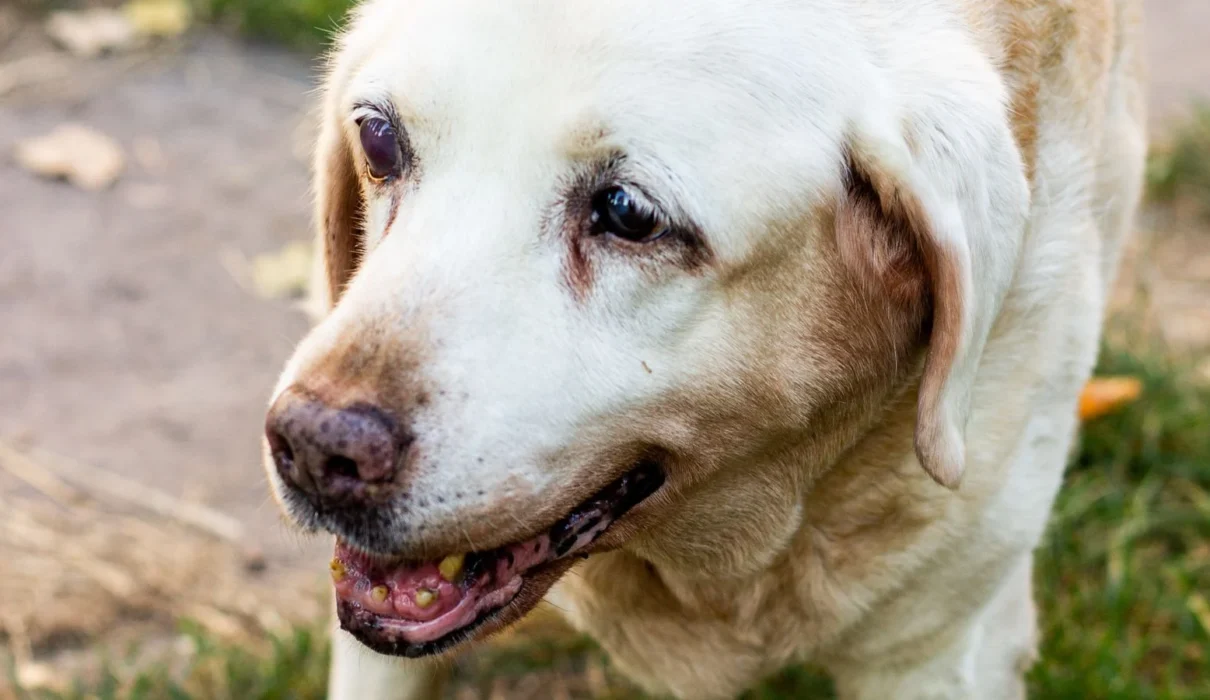
How to potty train an older dog comes down to the same basics used for puppies: a vet check, a set schedule, close supervision, an instant reward and calm cleanup. The American Kennel Club (AKC) says housetraining is often a much easier process for adult dogs than for puppies, and veterinary behaviorist Dr. Kelly Ballantyne writes in Today’s Veterinary Practice that most new dog parents finish house training within 1 to 2 months of adoption.
This guide walks through 7 steps, a sample daily schedule, how long it takes, and what changes for a rescue dog or a senior dog that has started having accidents.
Table of Contents
- Why Some Older Dogs Aren’t Potty Trained
- Step 1: Rule Out Medical Causes First
- Step 2: Set a Potty Schedule
- Step 3: Go Out With Your Dog and Give It Time
- Step 4: Reward Right Away
- Step 5: Supervise or Confine Between Trips
- Step 6: Handle Accidents Calmly
- Step 7: Learn Your Dog’s Signals
- How Long Does It Take to Potty Train an Older Dog?
- How to Potty Train an Adult Dog You Just Adopted
- Potty Training a Senior Dog With New Accidents
- Potty Accident or Urine Marking?
- Older Dog vs Puppy Potty Training
- How to Potty Train an Older Dog: FAQ
- How to Potty Train an Older Dog: The Short Version
Why Some Older Dogs Aren’t Potty Trained
An adult dog that pees indoors isn’t being stubborn. The AKC lists the usual reasons an older dog was never house trained:
- No one ever trained the dog.
- The dog never lived indoors.
- The dog lived somewhere it could only go on concrete, on paper in a pen or on bedding in a crate.
- Some senior dogs come to prefer an indoor bathroom spot.
A move can shake things up too. The ASPCA says it is common for dogs to have trouble with house training as they settle into a new home. VCA Animal Hospitals adds that a dog that has had accidents indoors since you adopted it, even now and then, is likely not fully house trained yet.
It is worth fixing early. Dr. Ballantyne notes that house soiling is reported in about 20% of pet dogs and is a common reason dogs are given up.
Step 1: Rule Out Medical Causes First
Dr. Ballantyne says medical problems should be the first thing considered when soiling starts suddenly, or when an adult or senior dog that was house trained begins having accidents, and she recommends a vet check for every dog that soils the house. VCA lists pain when going, illnesses that increase urine, bouts of diarrhea and brain changes with age as physical causes.
| What you notice | Possible cause | Next step |
|---|---|---|
| Drinking and peeing more than usual | Kidney disease, diabetes or Cushing’s disease (AKC) | Vet exam with blood and urine tests |
| Leaking or dribbling urine | Urinary incontinence (AKC) | Vet exam |
| Stiff, slow to squat or slow to reach the door | Pain such as arthritis (AKC, VCA) | Vet exam |
| Seems lost, stares or forgets routines | Cognitive dysfunction (AKC, Ballantyne) | Vet exam |
| Diarrhea or sudden urgency | A stomach or bowel problem (VCA) | Call your vet |
| Bumping into things or getting lost in the house | Vision loss (AKC) | Vet exam |
Read more about two of these in our guides to signs of kidney failure in dogs and cognitive dysfunction in dogs. Once your vet gives the all clear, here is how to potty train an older dog step by step.
Step 2: Set a Potty Schedule
Routine does most of the work. The AKC suggests feeding meals at set times and picking up the bowl 10 to 15 minutes after you put it down, whether or not your dog has finished, instead of leaving food out all day. Regular meals lead to regular bathroom trips.
Dr. Ballantyne recommends taking a dog in training to its potty spot every 2 to 3 hours, when it wakes up, before it is confined, and within 10 to 15 minutes of meals and play. The AKC adds first thing in the morning and right before bed.
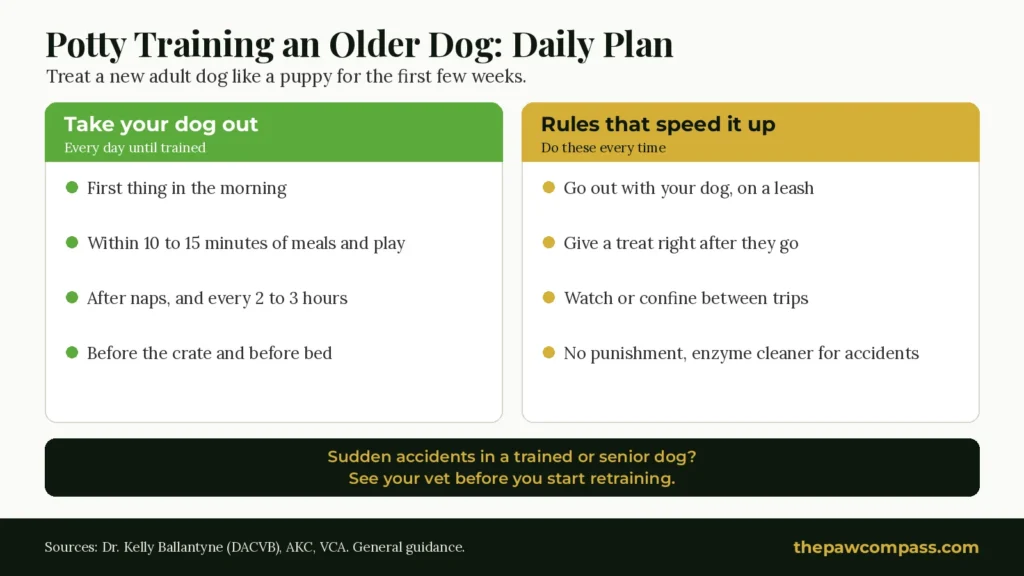
| When | What to do | Why |
|---|---|---|
| As soon as your dog wakes up | Straight outside on a leash | First trip of the day (AKC) |
| Within 10 to 15 minutes of breakfast | Outside to the same spot | Recommended timing (Ballantyne) |
| Every 2 to 3 hours | Outside, even if there are no signs | Recommended interval (Ballantyne) |
| After play or a nap | Outside | Recommended timing (Ballantyne) |
| Within 10 to 15 minutes of dinner | Outside | Recommended timing (Ballantyne) |
| Before the crate or before you leave | Outside | Recommended before confinement (Ballantyne) |
| Right before bed | Last trip of the day | AKC |
Adult dogs can hold it longer than puppies, but the AKC says not to force them to. Our guide to how long dogs can hold their pee explains the limits by age.
Step 3: Go Out With Your Dog and Give It Time
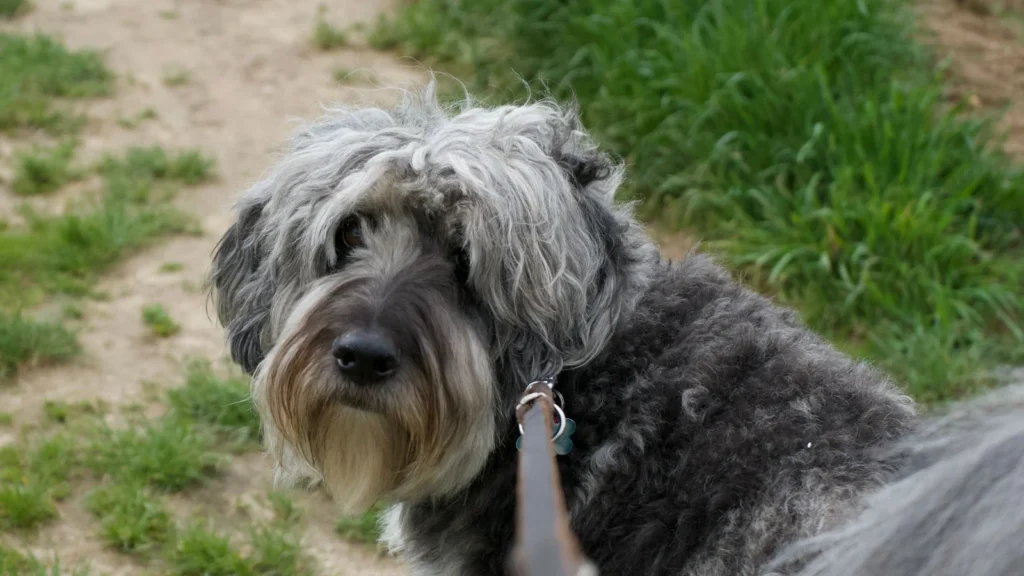
Don’t just open the door. The AKC says to go out with your dog on a leash to the spot you want it to use, and to stay long enough for it to sniff around and settle. Accidents right after coming back in usually mean the trip was too short.
If nothing happens, the AKC suggests bringing your dog in, putting it in its crate for 10 minutes and then trying again. Don’t give it the run of the house until it has gone outside.
A dog that only ever went on concrete may need help with grass. The AKC suggests a trip to a quiet park or a visit from a calm dog, since dogs often go where other dogs have been.
Step 4: Reward Right Away
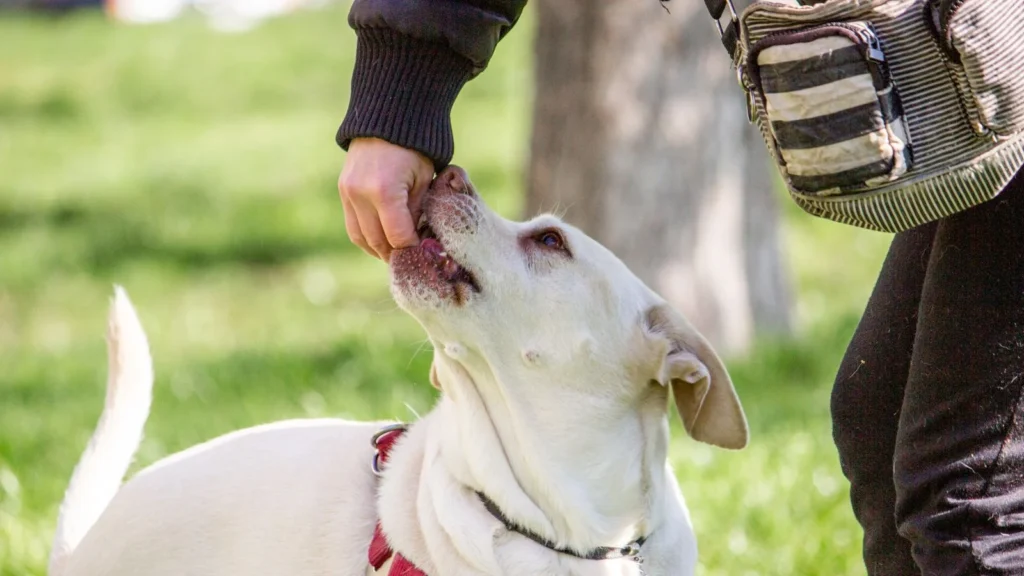
Timing matters. Dr. Ballantyne says to give a treat immediately after your dog goes in the right place, not when it comes back inside. The AKC says to reward generously with treats and praise.
Use something your dog really wants. The ASPCA suggests small, tasty pieces such as meat, cheese or freeze-dried liver, and says to be generous early on.
Step 5: Supervise or Confine Between Trips
Every accident you prevent is one less habit to undo. When you can’t watch your dog, the AKC suggests a crate, a pen or a small room behind a baby gate. Dr. Ballantyne also lists tethering your dog to a family member with a leash, sometimes called umbilical cord training, so it can’t slip away to go.
Introduce any crate or pen slowly and make it a pleasant place, since Dr. Ballantyne warns that rushed confinement can cause distress. A rescue dog that panics in a crate needs a gentler plan, and our guide to dog anxiety in a crate covers how to build it.
Give freedom back in small steps. The AKC suggests letting your dog have a little more space for about 10 to 15 minutes right after it goes outside, then building up over a few weeks.
Step 6: Handle Accidents Calmly
- Interrupt, don’t scare. If you catch your dog in the act, make a calm sound or clap to get its attention, then take it outside to finish (AKC, Ballantyne).
- Never punish. Dr. Ballantyne says punishment causes fear, anxiety or aggression and doesn’t teach a dog where to go. The AKC adds that it can teach a dog to hide from you to pee.
- Ignore the guilty look. VCA says a dog’s guilty look most likely means it feels worried, not guilty.
- Clean with an enzyme cleaner. Leftover smell draws dogs back to the same spot, so use an enzyme or odor eliminating cleaner (AKC, VCA, Ballantyne).
If one room keeps getting hit, our guide on how to stop a dog from peeing in the house has more fixes.
Step 7: Learn Your Dog’s Signals
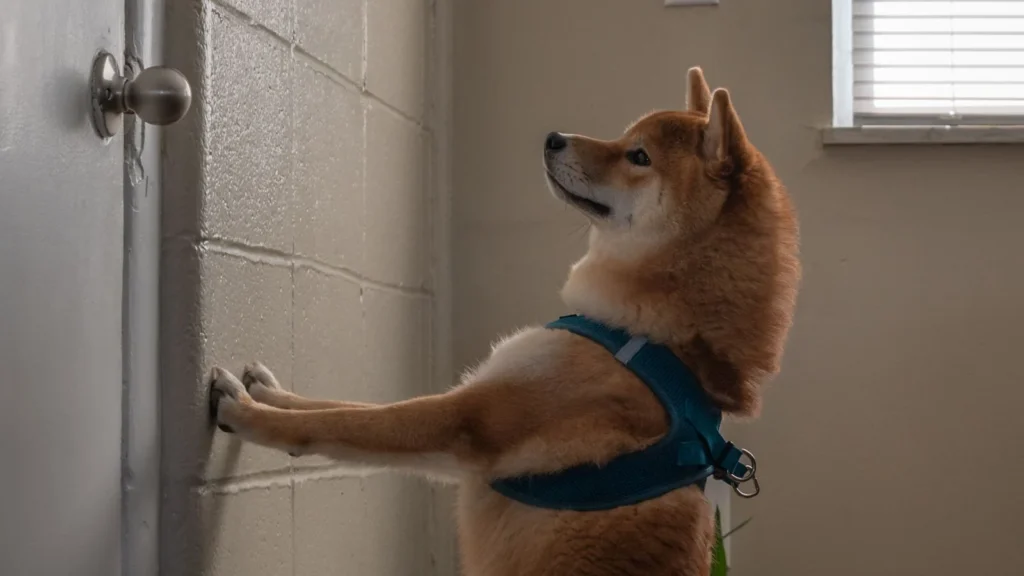
The AKC lists pacing, whining, circling, purposeful sniffing and suddenly leaving the room as signs a dog needs to go out right away. Not every dog barks or scratches at the door, but if you answer quickly, your dog may learn to ask.
Keep going even when things look good. Dr. Ballantyne advises waiting until your dog has gone at least 8 weeks without accidents before you cut back on supervision and scheduled trips.
How Long Does It Take to Potty Train an Older Dog?
Most dogs are house trained within 1 to 2 months of adoption with good guidance, according to Dr. Ballantyne, and she suggests keeping the routine until your dog has been accident free for at least 8 weeks. The AKC describes giving back freedom gradually over a few weeks.
A dog with a long history of going indoors, a fearful rescue or a senior with a medical problem may take longer. Progress, not perfection, is the goal in the first month.
How to Potty Train an Adult Dog You Just Adopted
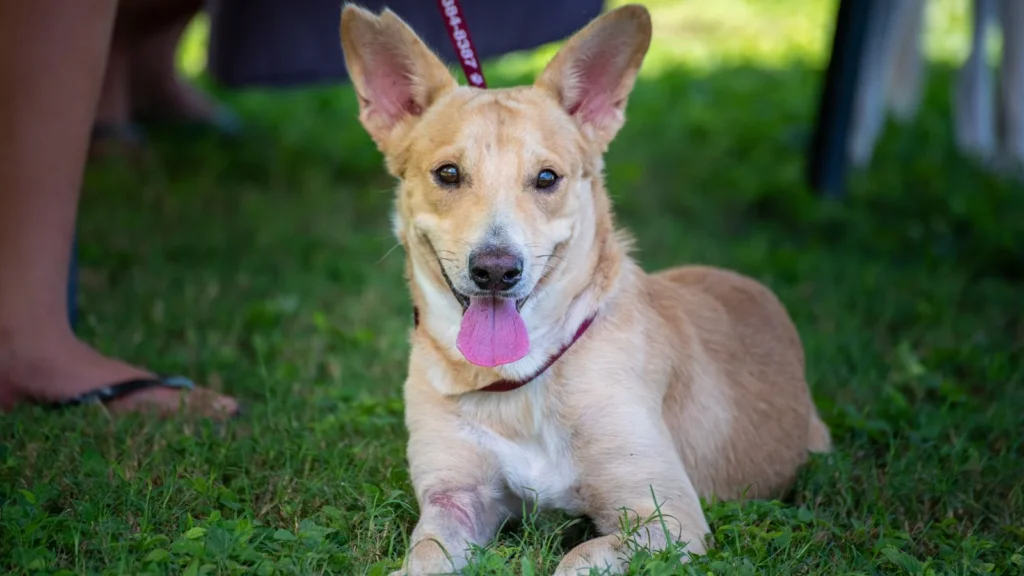
VCA says that for a healthy adult dog that still isn’t reliable, the best approach is to restart training as if it were a young puppy. Assume nothing, even if the shelter said the dog was house trained.
Watch for fear. Dr. Ballantyne lists fear of the outdoors, noise aversion and separation anxiety as causes of house soiling. A dog that is scared outside may be too distracted to go, says VCA, so start at a quiet spot close to the door. Soiling only when left alone points to separation anxiety, which needs its own plan.
A calm first week helps everything else. Our rescue dog nighttime routine shows how to set up the first nights.
Potty Training a Senior Dog With New Accidents
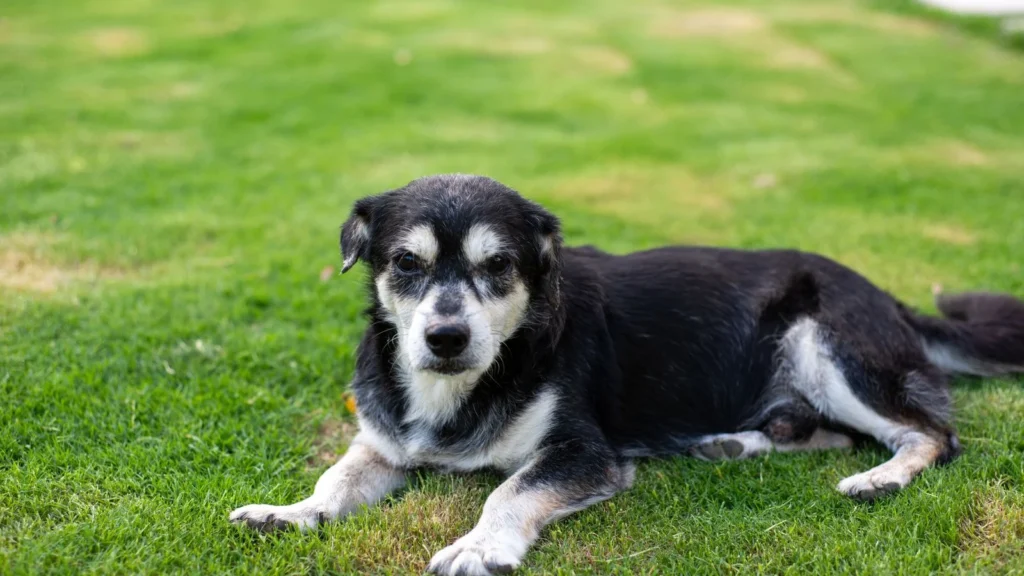
The AKC says accidents in older dogs are often a sign of a medical, physical or cognitive problem, not just age. Veterinary behaviorist Dr. Sagi Denenberg tells the AKC that sudden indoor urination can be caused by conditions such as kidney disease, diabetes, urinary incontinence, pain or cognitive decline. His rule of thumb for a dog that was fully trained is two to three accidents a month.
- Book a vet visit. Many causes are easier to manage when caught early (AKC).
- Add more trips outside. Older dogs often need more bathroom breaks than they did when younger (AKC).
- Get help during the day. A dog walker or daycare can add midday breaks (AKC).
- Use belly bands or diapers when needed. Change them often to protect the skin (AKC). VCA suggests checking a belly band at least twice a day.
- Offer an indoor option. Pee pads, a litter box or artificial grass can help dogs that can’t reliably get outside (AKC).
- Never punish. The AKC notes most seniors aren’t being disobedient, and punishment adds stress.
If your older dog is also stiff or slow to stand, our guide to a dog struggling to get up after lying down explains what can help. The Print & Go Pack includes a one page Emergency Cheat Sheet to keep your vet’s details handy:
Potty Accident or Urine Marking?
Marking is different from a full bladder. Dr. Ballantyne describes marking as small amounts of urine on upright surfaces, used to communicate. It is most common in intact males but can happen in any dog, and it may reflect anxiety or stress. She notes that neutering reduces marking in about 50% to 80% of male dogs.
To cut down marking, block access to marked spots, clean them with an odor eliminating product and reduce whatever sets your dog off. Your vet or a veterinary behaviorist can help if it continues.
Older Dog vs Puppy Potty Training
How to potty train an older dog and how to train a puppy follow the same method, and our guide on how to potty train a puppy covers the basics in more detail. The differences: an adult dog can usually hold it longer, may have old habits to unlearn, and is more likely to have a medical or fear based reason for accidents.
How to Potty Train an Older Dog: FAQ
-
Can you potty train an older dog?
Yes. The AKC says housetraining is often easier for adult dogs than for puppies. Use a vet check, a set schedule, close supervision, an immediate reward and an enzyme cleaner for accidents.
-
How long does it take to potty train an older dog?
Veterinary behaviorist Dr. Kelly Ballantyne says most dogs are house trained within 1 to 2 months of adoption. Keep the routine until your dog has gone at least 8 weeks without an accident.
-
How often should an older dog go out during potty training?
Every 2 to 3 hours, plus on waking, before being confined and within 10 to 15 minutes of meals and play (Ballantyne). The AKC adds first thing in the morning and right before bed.
-
How do you potty train an adult rescue dog?
Treat the dog like a young puppy at first (VCA). Go out on a leash to one spot, reward right away, supervise or confine between trips and never punish. Start at a quiet spot if your dog is nervous outside.
-
Should you punish an older dog for accidents?
No. Dr. Ballantyne says punishment causes fear, anxiety or aggression and doesn’t teach a dog where to go. Interrupt calmly, take your dog outside and clean the spot with an enzyme cleaner.
-
Why would an older dog suddenly start peeing in the house?
Sudden accidents in a trained dog often have a medical cause, such as kidney disease, diabetes, urinary incontinence, pain or cognitive decline (AKC). See your vet before retraining. General guidance, not veterinary advice.
-
Can you use pee pads for an older dog?
Yes, when a dog can’t reliably get outside. The AKC lists pee pads, litter boxes and artificial grass as indoor options for senior dogs. Keep them clean and in one spot.
How to Potty Train an Older Dog: The Short Version
- Start with a vet check, especially for sudden accidents in a trained or senior dog.
- Feed at set times and go out every 2 to 3 hours, after meals, naps and play, and before bed.
- Go out with your dog on a leash and stay until it goes.
- Reward the moment it finishes in the right spot.
- Supervise, crate or tether between trips, and give freedom back slowly.
- Never punish. Clean accidents with an enzyme cleaner.
- Most dogs are trained within 1 to 2 months of adoption.
Over to you: are you training a rescue, an adult dog or a senior? Tell us in the comments.
