

 By
To potty train puppies using pads, pick one spot with an easy to clean floor, take your puppy to the pad after waking, eating, playing and napping, reward the second they finish, and don’t move the pad while they’re learning. That’s the core of the AKC’s pad training advice, and VCA’s veterinary behaviorists confirm that dogs can learn to use pads as their set potty area. If you plan to switch to outside later, you move the pad toward the door in small steps.
Below you’ll find when pads make sense, a 7 step method, a sample schedule, apartment and small dog options, and how to move from pads to the yard.
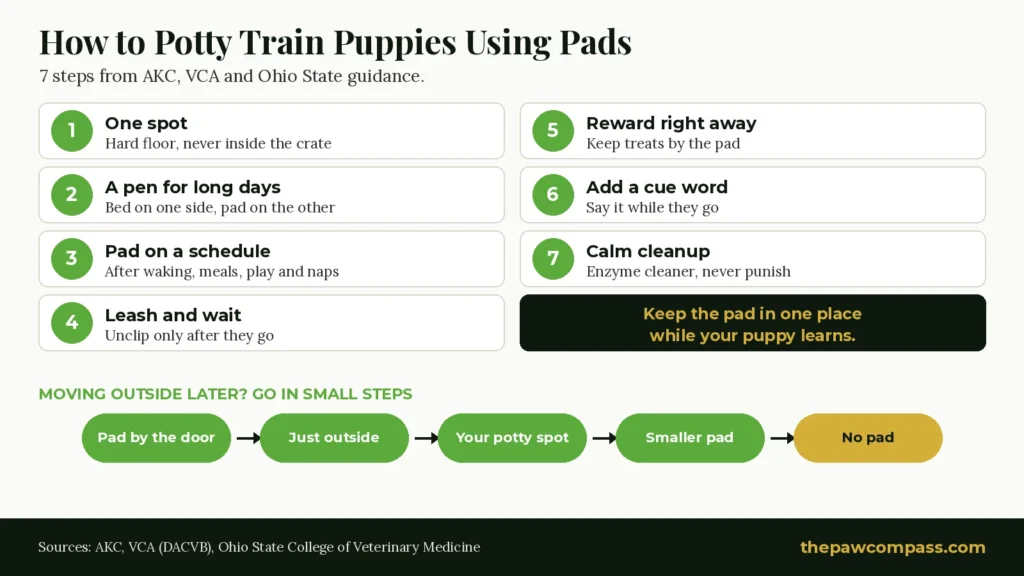
Table of Contents
- Should You Use Pads? When They Make Sense
- What You Need for Pad Training
- How to Potty Train Puppies Using Pads in 7 Steps
- A Sample Pad Training Schedule for a Young Puppy
- How to Potty Train a Puppy in an Apartment
- Litter Boxes and Indoor Potties for Small Dogs
- How to Switch From Pads to Going Outside
- How to Train an Adult Dog to Use a Pee Pad
- How Long Does Pad Training Take?
- Pad Training Mistakes to Avoid
- Potty Training Puppies Using Pads: FAQ
- Potty Training Puppies Using Pads: The Short Version
Should You Use Pads? When They Make Sense
Experts don’t all agree on pads. The AKC’s pad guide says they help very young puppies who can’t hold it long enough to get outside, puppy parents in apartments who can’t reach a potty area quickly, and some families who use them until vaccinations are done. Dr. Mary Burch of the AKC is more cautious: pads reinforce two different options for your puppy, and the AKC adds they can slow the move to going outdoors. Ohio State’s Indoor Pet Initiative says you can skip paper training altogether if you can take your puppy out often.
| Your situation | What fits best | Source |
|---|---|---|
| You can get your puppy outside often | Outside from day one, no pads | Ohio State |
| Apartment or no quick way outside | Pads in one spot, or carry your puppy out | VCA puppy guide |
| Long days away from home | A pen with a bed on one side and a pad on the other | VCA behaviorists |
| Toy breed, harsh winters | Pads, an indoor potty or a litter box | AKC, Ohio State |
| Waiting on vaccines in busy dog areas | Pads for now, outside later | AKC pad guide |
If vaccines are your reason, our guide to when puppies can go outside explains which places are lower risk before the last shots.
What You Need for Pad Training
Heads up: ThePawCompass uses affiliate links. If you buy something through a link on this page, I may earn a small commission at no extra cost to you. I only recommend products I’d genuinely suggest to a friend.
- Pads. Bond Vet, a veterinary clinic group, suggests starting with two pads side by side if you have room, since aiming can be a challenge at first.
- An enzyme cleaner. The AKC warns that dogs are drawn back to old spots, so ordinary cleaners aren’t enough.
- Small treats kept right by the pad, so you can reward in the moment (AKC).
- A crate and a pen or gate. The crate should be just big enough to lie down and turn around in, the AKC says. A crate with a divider lets it grow with your puppy, and our dog crate size chart helps you pick a size.
For pads, the Amazon Basics puppy pads are 22 by 22 inches with a 5 layer design, a plastic backing and a built in attractant, according to the listing. Honest note: reviewers like the value and many say they worked for potty training, but leaking and thin pads are the most common complaints. Put them on a hard floor and change them often. See the Amazon Basics pads on Amazon.
For cleanup, the listing for Nature’s Miracle Dog Stain and Odor Remover lists carpet, fabric, wood, vinyl and linoleum among the surfaces its enzyme formula works on. Honest note: the scent splits reviewers, so test a hidden spot first on delicate surfaces. See Nature’s Miracle on Amazon.
How to Potty Train Puppies Using Pads in 7 Steps
Here’s how to pad train a puppy, step by step. Each step comes from the AKC, VCA or Ohio State’s veterinary college.
Step 1: Pick One Spot and Keep It There
The AKC says to choose one potty area and not move it until your puppy understands where to go. Bond Vet notes that hard floors make cleanup easier. In an apartment, VCA’s puppy guide suggests carrying your puppy to the pads in one specific spot every time. Keep pads out of the crate: VCA says lining the crate with them can confuse your puppy about where to go.

Step 2: Set Up a Pen for Longer Absences
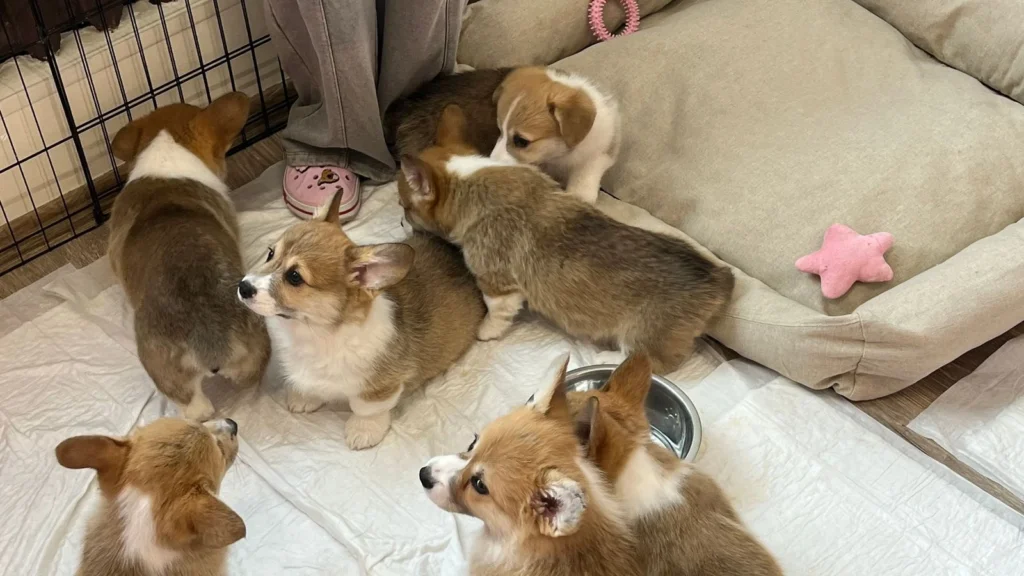
VCA’s behaviorists say a puppy can usually be crated alone for short periods of no more than 3 hours. For longer, they suggest a potty break from a friend or pet sitter, or a pen or gated area with a resting spot, such as a crate, and a toileting surface, such as a pad or artificial turf. Dr. Meghan Herron, a veterinary behavior specialist at Ohio State, describes the same idea: crate door open, a toilet pad outside the crate, and the whole area enclosed in a small room or pen.
Step 3: Go to the Pad on a Schedule
Take your puppy to the pad when they wake up, after they eat, after play and after naps, the AKC says, and at least every hour or two if they haven’t gone. Very young puppies may need a trip as often as every 15 minutes while they’re awake. Feed meals at set times instead of leaving food out, so you can predict when your puppy needs to go.
Watch for the signs too: sniffing the floor, circling or whining means head straight to the pad. The AKC suggests a leash clipped to your waist to keep your puppy close, and a crate or safe area whenever you can’t watch. For how long a puppy can wait at each age, see how long a puppy can hold its pee.
Step 4: Walk Them to the Pad and Wait
If your puppy gets distracted, the AKC suggests walking them to the pad on a leash and unclipping only after they go, so playtime becomes part of the reward. Bond Vet suggests keeping a puppy in the pad area, away from distractions, for at least five minutes, since many go after a short standoff. If nothing happens, the AKC says no play: put your puppy in the crate for 10 to 15 minutes, then try again.
Step 5: Reward the Moment They Finish
Praise and a treat should come immediately, while your puppy is still on or next to the pad. That’s why the AKC suggests keeping treats beside the potty area instead of across the room.
Step 6: Add a Cue Word
Pick a short phrase like “go potty.” Ohio State’s Indoor Pet Initiative suggests saying it only while your dog is actually going for the first week or two, then saying it a little earlier once the habit is solid. A cue also helps with the later move outdoors, the AKC notes.
Step 7: Handle Misses Calmly
If you catch your puppy mid accident, the AKC suggests a quiet clap or an “oh oh” without startling them, then straight to the pad. If they finish there, reward. If you find a puddle later, just clean it. Dr. Herron says a puppy won’t connect punishment to the act and may learn to go where you can’t see. Clean every spot with an enzyme cleaner, because dogs are drawn back to places they’ve gone before (AKC).
A Sample Pad Training Schedule for a Young Puppy
Here’s how the AKC’s timing rules can look across a day for a 2 to 3 month old puppy. Shift the times to fit your home.
- 6:30 am: Wake up, straight to the pad.
- 7:00 am: Breakfast, then the pad again.
- 7:30 am: Play and a short training session, then the pad.
- 8:15 am: Nap in the crate or pen.
- After every nap: Straight to the pad, then play.
- 12:30 pm: Lunch, then the pad.
- Every hour or two in between: A pad trip if they haven’t gone.
- 6:00 pm: Dinner, then the pad.
- 10:00 pm: Last pad trip before bed.
- Overnight: Young puppies still need a break. VCA’s puppy guide says every 2 hours at 6 to 8 weeks, including overnight.
If you also crate train, our puppy crate training schedule lines naps up with these breaks, and the 8 week puppy schedule covers feeding and play hour by hour. Prefer a printed plan on the fridge? The Print & Go Pack includes a Fridge Schedule:
How to Potty Train a Puppy in an Apartment
VCA’s puppy guide gives apartment dwellers two choices. One is to carry your puppy outside every time, so they can’t go in the hallway on the way, and keep carrying them until they’ve learned not to go inside. The other is pads in one set spot in your home. Either way, VCA says crate training is very important for potty training in an apartment.
If you go the outdoor route without a yard, Ohio State suggests setting up a toilet area right next to your home. Take your puppy there as soon as you step outside and wait until they’ve finished. Dogs tend to return to places they’ve used before, so that spot is likely to stick.
Litter Boxes and Indoor Potties for Small Dogs
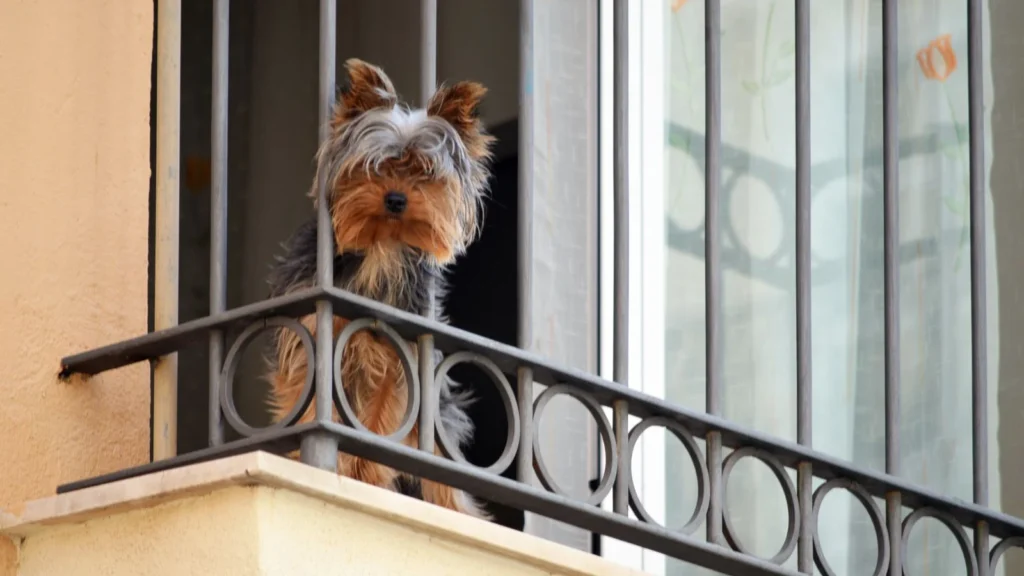
Toy breeds often need more frequent potty breaks, according to the AKC pad guide. The AKC’s main potty guide suggests pads and indoor potty areas for toy breeds, adding that small dogs can be trained successfully with extra patience and close management. Indoor dog potties are another option the AKC mentions.
Ohio State’s Indoor Pet Initiative says very small dogs can learn to use a litter box. Their method:
- Once your dog reliably uses papers or pads, move them into a shallow box.
- Over days to weeks, gradually add litter on top of the papers.
- Remove the papers or pads once your dog uses the litter reliably.
- Reward every success along the way.
How to Switch From Pads to Going Outside
Ohio State warns that dogs don’t always make this switch easily, especially when the weather makes indoors more comfortable, so go slowly. The AKC lays out the steps:
- Make sure your puppy knows the cue word and goes on the pad reliably.
- Move the pad closer to the door, a little at a time.
- Put the pad just outside the door.
- Move it to the spot in the yard or near your building you want your puppy to use.
- Make the pad smaller over time, until your puppy goes on the ground alone.
Dr. Herron at Ohio State describes a shortcut: once your puppy reliably uses a mat, take that mat outside to the potty area for their breaks, then make it smaller and smaller until it’s gone. The AKC says puppies who already know a cue and have been rewarded consistently often adapt quickly. From here, our full guide on how to potty train a puppy covers outdoor training.
How to Train an Adult Dog to Use a Pee Pad
The same steps work for grown dogs. VCA’s behaviorists say dogs can be taught to go outdoors, indoors on pads, or in any set area you choose, and Bond Vet describes pads as a convenient option for older dogs who need extra help. Start with a schedule, take your dog to the pad on leash, and reward every success.
One exception: if a dog who was already house trained suddenly starts having accidents, VCA says to see your vet first to rule out a medical cause. Our guide on how to stop a dog from peeing in the house walks through the common causes.
How Long Does Pad Training Take?
When you potty train puppies using pads, most show progress within a few weeks, but full training can take several months, according to the AKC, which also notes many puppies can’t control their bladder reliably until about 16 weeks. VCA’s puppy guide says most puppies are fully potty trained by 6 months, and to talk to your vet if progress stalls between 4 and 6 months. For timelines by age, here’s how long potty training takes.
Writing down when your puppy goes makes the pattern easy to spot. The First 30 Days Puppy OS has one tap buttons for naps and potty on its dashboard, so you can see the rhythm build day by day.
Pad Training Mistakes to Avoid
- Moving the pad around. The AKC says keep it in one place while your puppy learns.
- Pads inside the crate. VCA says this can confuse your puppy about where to go.
- Free feeding. Food left out all day makes potty timing unpredictable (AKC).
- Play before potty. A puppy who hasn’t gone yet goes back in the crate for a few minutes, not off to play (AKC).
- Punishment. Scolding after the fact teaches nothing, and punishing mid act can teach your puppy to hide when they go (AKC).
- Regular cleaners. Use an odor destroying enzyme cleaner instead (AKC).
- Too much freedom too soon. VCA’s behaviorists say puppies are usually ready for more freedom after 8 to 12 weeks without mistakes.
Potty Training Puppies Using Pads: FAQ
-
How do you potty train puppies using pads?
Choose one pad spot and keep it there. Take your puppy to the pad after waking, eating, playing and napping, and at least every hour or two. Reward right away with praise and a treat, add a cue word, and clean accidents with an enzyme cleaner. The AKC says not to move the pad while your puppy is learning.
-
How long does it take to pad train a puppy?
Most puppies show progress within a few weeks, but full training can take several months, according to the AKC. VCA’s puppy guide says most puppies are fully potty trained by 6 months. Talk to your vet if progress stalls between 4 and 6 months.
-
How often should you take a puppy to the pad?
The AKC says after waking, eating, playing and napping, and at least every hour or two if they haven’t gone. Very young puppies may need a trip as often as every 15 minutes while they’re awake.
-
Should you put a pee pad in the crate?
No. VCA says lining the crate with pads can confuse your puppy about where to go. For long absences, use a pen with the crate or bed on one side and the pad on the other instead.
-
Are pee pads bad for potty training?
Not always. The AKC’s Dr. Mary Burch says pads reinforce two options and can slow the move outdoors, but they help if you can’t get home often or have a very small dog in a cold climate. Ohio State says you can skip them if you can take your puppy out often.
-
How do you train a puppy to pee outside after using pads?
Teach a cue word first. Then move the pad closer to the door in small steps, put it just outside, move it to the outdoor potty spot, and make it smaller until it’s gone. The AKC and Ohio State’s veterinary behavior team both describe this approach.
-
Can you train an older dog to use a pee pad?
Yes. VCA’s behaviorists say dogs can be taught to use pads as their set potty area, and the same steps work: a schedule, a leash trip to the pad and a reward every time. If a house trained dog suddenly starts having accidents, see your vet first.
Potty Training Puppies Using Pads: The Short Version
- Pads fit apartments, long days, toy breeds and puppies waiting on vaccines.
- One spot, on a hard floor, and never inside the crate.
- Pad trips after waking, eating, play and naps, and every hour or two.
- Reward in the moment and add a cue word.
- Calm cleanup with an enzyme cleaner. No punishment.
- To go outside later, move the pad toward the door, then outside, then shrink it.
Over to you: are you using pads for good, or as a step toward the yard? Tell us in the comments.
