

 By
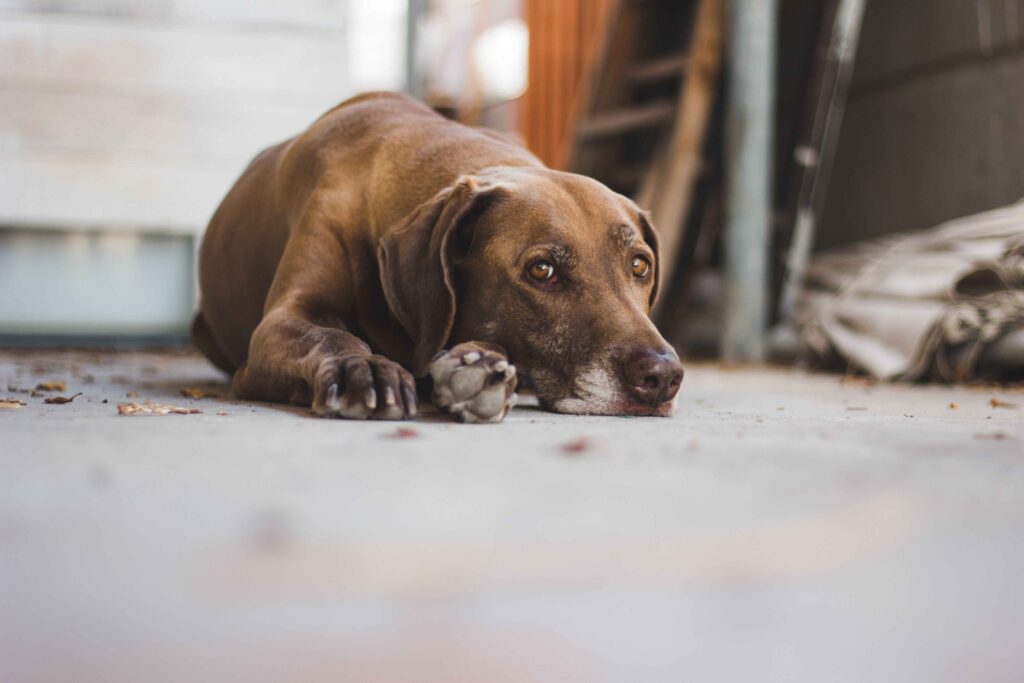
By Okay, dog parent to dog parent for a second. Has your dog ever just seemed off? Not limping. Not crying. Not doing anything you could point to and say “see, that’s the problem.” Just a little quieter than usual, a little slower to get excited about dinner, a little more interested in the couch than the backyard.
You watched them for a day. Maybe two. They weren’t limping, so you figured they were fine. Tired, maybe. Getting older, maybe. A weird Tuesday, maybe.
Here’s the thing nobody tells you, limping is actually the loud way dogs tell you something hurts. It’s the sign everyone’s trained to watch for, which is exactly why so many of the quieter signs slip right past us. Dogs are basically professional actors when it comes to hiding pain. It’s survival instinct, not stubbornness. A wild animal that looks weak gets picked off, so the instinct to mask discomfort runs bone deep, even in a dog whose biggest threat in life is the vacuum cleaner.
I almost missed this myself. No limp, no yelp, nothing that screamed “vet visit.” Just a dog who seemed quieter than usual. Turns out quiet WAS the symptom. So, let’s go through the 9 real signs your dog might be in pain even though their legs are working just fine, what each one actually looks like, and when it’s time to stop guessing and call the vet.
Table of Contents
- Why Your Dog Isn’t Telling You the Obvious Way
- The 9 Signs My Dog Is in Pain But Not Limping (And What They Actually Look Like)
- Some Dogs Are Just Better Actors Than Others
- So When Do You Actually Call the Vet?
- What Actually Happens at the Vet (And What It Costs)
- What Happened with My Own Dog
- The Real Takeaway Here
- FAQ
Why Your Dog Isn’t Telling You the Obvious Way
Your dog is napping, you walk by, and they don’t even lift their head. A week ago, they’d have been up wagging before your foot hit the floor. That’s not “getting lazy.” That might be pain talking, just in a language you haven’t learned to read yet.
Vets who get asked about this constantly say the same thing over and over: things dog parents write off as “slowing down with age” are often the very first sign of joint pain showing up. That sudden reluctance to jump on the couch? Everyone blames it on age. Half the time it’s actually arthritis quietly setting up shop.
The 9 Signs My Dog Is in Pain But Not Limping (And What They Actually Look Like)
1. The Stair Hesitation
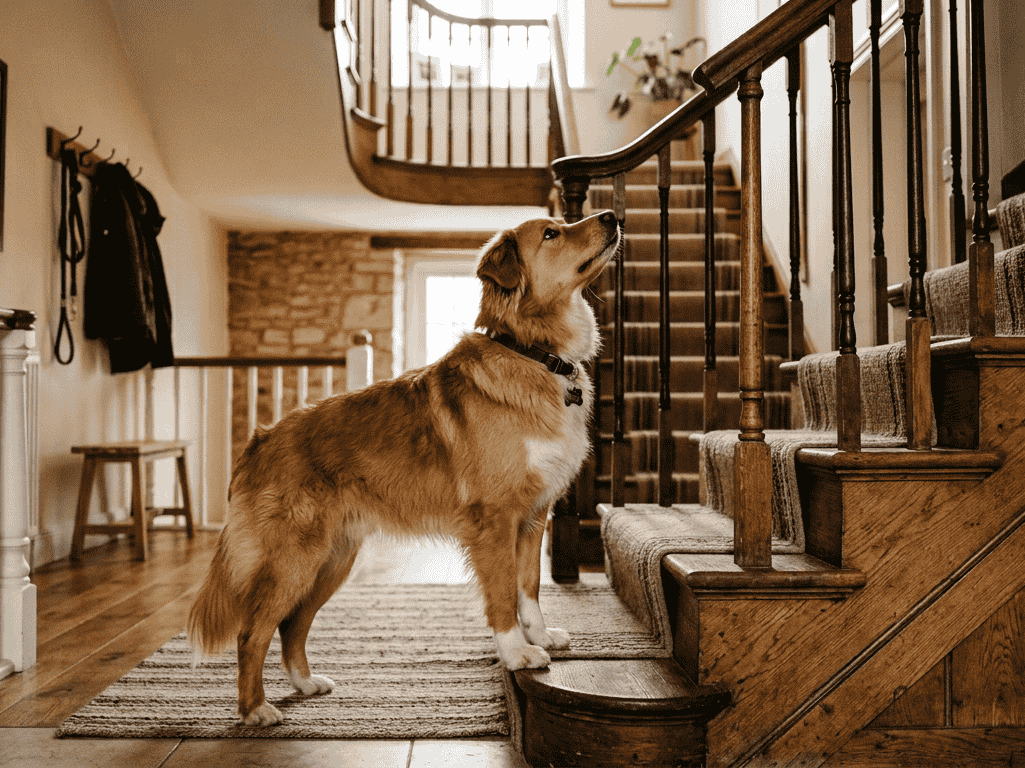
This is the sign most of us blame on laziness, when really it’s the opposite of laziness. It’s a body trying to avoid pain.
What you’ll actually see:
- A pause at the bottom of the stairs like they’re doing math before committing
- A running start onto the couch when they used to just float up there
- Taking the stairs one at a time instead of two, like a toddler
- Suddenly needing help into the car, or just refusing to go
This usually shows up months before any limping ever does. Early arthritis and hip dysplasia are two of the most common causes, and both tend to announce themselves through hesitation on stairs and reluctance to jump long before they produce a visible limp. If this sounds familiar, you’ll want to check out my post on dogs struggling to get up after lying down, because this is the same joint issue caught one chapter earlier in the story.
2. The Sleep Switch-Up
A dog in pain doesn’t just sleep more. They sleep DIFFERENTLY, and that’s the part people miss.
Watch for:
- Curling into a tighter ball than usual, almost like they’re guarding something
- No longer doing the full belly-up starfish stretch
- Hours of sleep creeping up with no explanation
- Restless tossing and resettling instead of the usual deep, dead-to-the-world nap
A dog who normally sleeps 14 hours suddenly clocking 17 or 18 isn’t just “extra sleepy.” That’s worth paying attention to before you chalk it up to age.
3. Eating Like They’re Distracted
Pain anywhere in the body can kill an appetite, and this one gets blamed on “being picky” constantly.
What it looks like:
- Walking away from a half-finished bowl
- Taking forever to eat the same amount they used to inhale in 90 seconds
- Sniffing, then deciding against it
- Drinking less water too
If this drags past a day or two, skip the guessing game and call your vet. Appetite changes are never a “wait and see” situation for long.
4. The Lick Spot
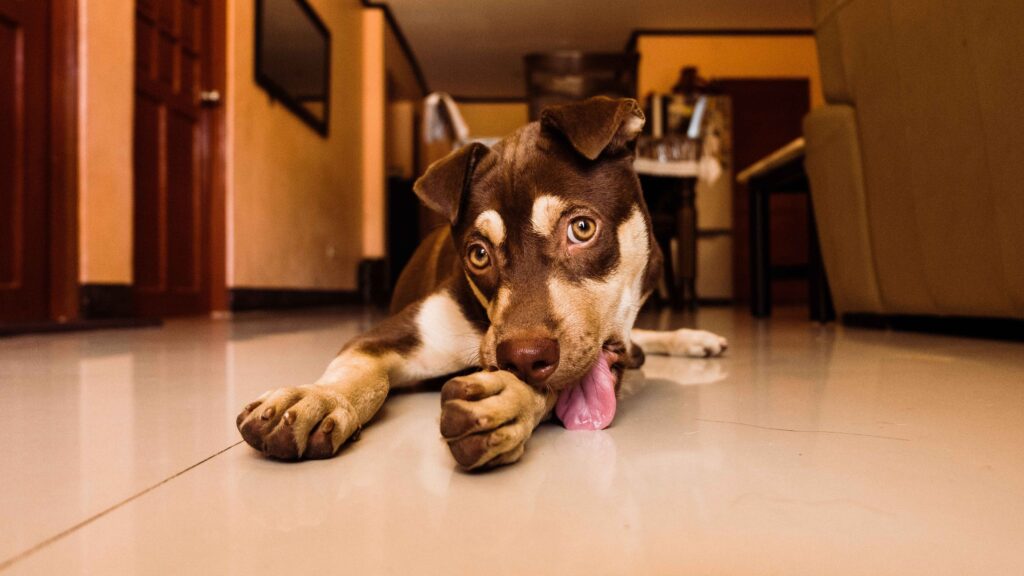
Dogs self-soothe sore spots the exact same way you’d rub a sore shoulder. Except they don’t know when to stop.
Watch for:
- Repeated licking at one joint, paw, or patch of skin, with no visible wound underneath
- Hair thinning or a damp, reddish patch from the constant attention
- Chewing at a spot that otherwise looks completely normal
- Licking that gets WORSE after activity, not better
Once that spot’s licked raw, you’ve already missed the early window. Catching it before the skin breaks is the whole point.
For the complete guide on paw licking including all 6 causes, costs and home treatment, see dog keeps licking paws at night
5. Panting for No Reason
Panting after a zoomie session, totally normal. Panting while flopped on the cool tile doing absolutely nothing? That’s a different story.
Look for:
- Panting with zero heat, zero exercise, zero excitement to explain it
- Shallow, quick breaths instead of the relaxed open-mouth pant
- Panting that comes and goes throughout the day for no obvious reason
Everyone blames this on anxiety, and sometimes that’s exactly right. But pain causes the same exact behavior, and from the outside, you genuinely cannot tell the two apart without more context.
Panting at night with nothing to explain it often goes hand in hand with restless pacing. If your dog is doing both, this breakdown of why dogs pace at night suddenly will help you figure out which cause fits your situation.
6. Going Quiet on You
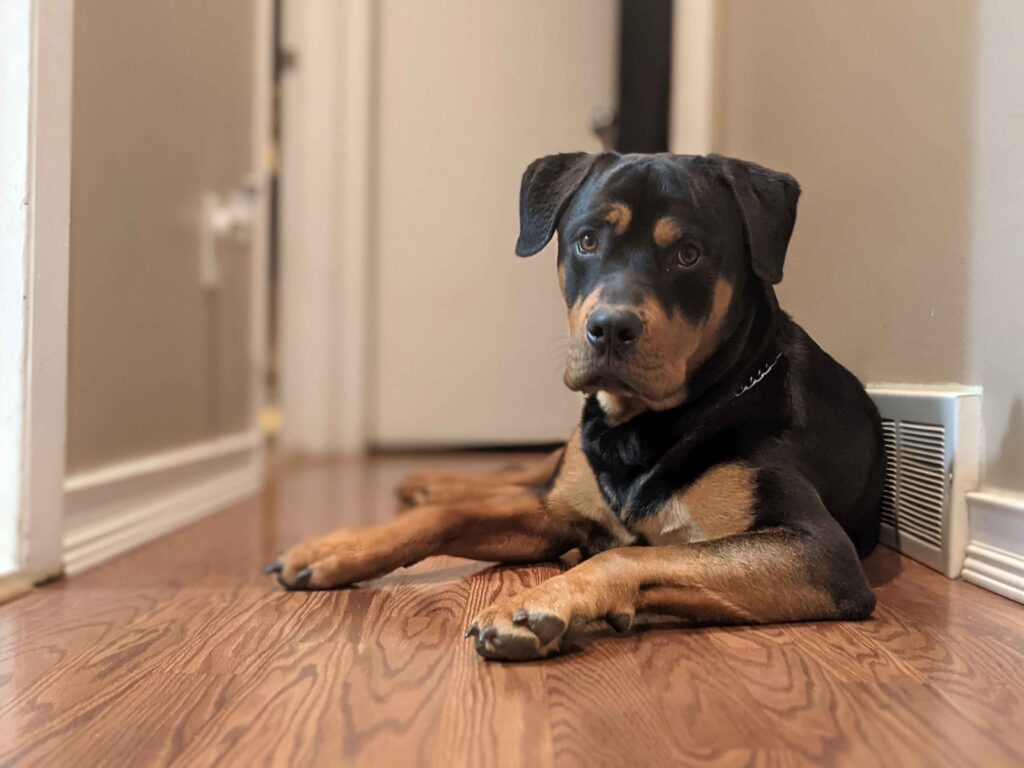
This is the one that hits dog parents hardest, because it feels personal even though it isn’t.
Signs to notice:
- Staying in another room instead of following you around like usual
- Less interest in being petted, especially in one specific spot
- Skipping play they used to live for
- A general “checked out” vibe that’s different from normal tired
You know your dog’s personality better than anyone, including your vet. If something feels off socially, trust that. It’s one of the most reliable signs on this whole list.
7. The Prayer Position
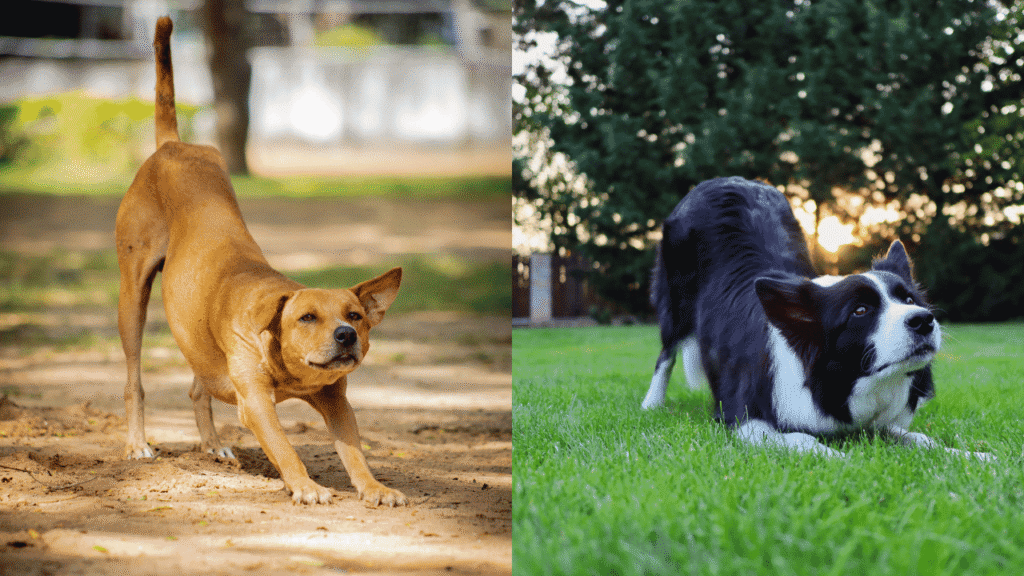
This one deserves its own spotlight because it’s so specific. Front legs flat on the ground, rear end up in the air. It looks like a play bow. It is not a play bow.
Here’s Why:
- This posture stretches the belly, and can point to abdominal pain, including pancreatitis
- A real play bow is bouncy, short, and followed by zoomies. This version is held, still, and joyless
- If you see this paired with vomiting, diarrhea, or skipped meals, move faster, not slower
8. The Unexplained Shakes
Shaking gets blamed on cold, age, or nerves on autopilot. Sometimes that’s the right call. Sometimes it’s pain wearing a disguise.
What to notice:
- Trembling in a perfectly warm room with nothing scary happening
- Shaking localized to one leg or area rather than the whole body
- Trembling that shows up right after standing up or moving a certain way
Trembling alongside vomiting, drooling, or sudden weakness is worth treating as more urgent, since that combination can also point to toxin exposure (think chocolate, certain plants, or household chemicals) rather than ordinary pain. If your dog had access to anything questionable in the past few hours, mention that to your vet specifically, since it changes what they’ll test for first.
9. The Sudden Grump
This is the toughest one to clock, because it feels like a personality problem instead of a pain problem.
Watch for:
- An easygoing dog suddenly growling, snapping, or going stiff when touched in one specific spot
- New irritability that’s out of character, not a lifelong quirk
- Defensiveness specifically around the hips, back, or belly
A dog who suddenly hates being picked up the way they always tolerated before is often guarding a sore spot. This can also follow an acute injury like a ligament tear that hasn’t produced a visible limp yet is often guarding a sore spot. This can also follow an acute injury like a ligament tear that hasn’t produced a visible limp yet is often guarding a sore spot. This can also follow an acute injury like a ligament tear that hasn’t produced a visible limp yet is often guarding a sore spot. This can also follow an acute injury like a ligament tear that hasn’t produced a visible limp yet is often guarding a sore spot. This can also follow an acute injury like a ligament tear that hasn’t produced a visible limp yet is often guarding a sore spot. This can also follow an acute injury like a ligament tear that hasn’t produced a visible limp yet is often guarding a sore spot. This can also follow an acute injury like a ligament tear that hasn’t produced a visible limp yet is often guarding a sore spot. This can also follow an acute injury like a ligament tear that hasn’t produced a visible limp yet is often guarding a sore spot. This can also follow an acute injury like a ligament tear that hasn’t produced a visible limp yet is often guarding a sore spot. This can also follow an acute injury like a ligament tear that hasn’t produced a visible limp yet is often guarding a sore spot. This can also follow an acute injury like a ligament tear that hasn’t produced a visible limp yet is often guarding a sore spot. This can also follow an acute injury like a ligament tear that hasn’t produced a visible limp yet is often guarding a sore spot. This can also follow an acute injury like a ligament tear that hasn’t produced a visible limp yet is often guarding a sore spot. This can also follow an acute injury like a ligament tear that hasn’t produced a visible limp yet is often guarding a sore spot. This can also follow an acute injury like a ligament tear that hasn’t produced a visible limp yet is often guarding a sore spot. This can also follow an acute injury like a ligament tear that hasn’t produced a visible limp yet is often guarding a sore spot. This can also follow an acute injury like a ligament tear that hasn’t produced a visible limp yet is often guarding a sore spot. This can also follow an acute injury like a ligament tear that hasn’t produced a visible limp yet is often guarding a sore spot. This can also follow an acute injury like a ligament tear that hasn’t produced a visible limp yet is often guarding a sore spot. This can also follow an acute injury like a ligament tear that hasn’t produced a visible limp yet is often guarding a sore spot. This can also follow an acute injury like a ligament tear that hasn’t produced a visible limp yet is often guarding a sore spot. This can also follow an acute injury like a ligament tear that hasn’t produced a visible limp yet is often guarding a sore spot. This can also follow an acute injury like a ligament tear that hasn’t produced a visible limp yet is often guarding a sore spot. This can also follow an acute injury like a ligament tear that hasn’t produced a visible limp yet is often guarding a sore spot. This can also follow an acute injury like a ligament tear that hasn’t produced a visible limp yet is often guarding a sore spot. This can also follow an acute injury like a ligament tear that hasn’t produced a visible limp yet is often guarding a sore spot. This can also follow an acute injury like a ligament tear that hasn’t produced a visible limp yet is often guarding a sore spot. This can also follow an acute injury like a ligament tear that hasn’t produced a visible limp yet is often guarding a sore spot. This can also follow an acute injury like a ligament tear that hasn’t produced a visible limp yet is often guarding a sore spot. This can also follow an acute injury like a ligament tear that hasn’t produced a visible limp yet is often guarding a sore spot. This can also follow an acute injury like a ligament tear that hasn’t produced a visible limp yet is often guarding a sore spot. This can also follow an acute injury like a ligament tear that hasn’t produced a visible limp yet is often guarding a sore spot. This can also follow an acute injury like a ligament tear that hasn’t produced a visible limp yet is often guarding a sore spot. This can also follow an acute injury like a ligament tear that hasn’t produced a visible limp yet is often guarding a sore spot. This can also follow an acute injury like a ligament tear that hasn’t produced a visible limp yet is often guarding a sore spot. This can also follow an acute injury like a ligament tear that hasn’t produced a visible limp yet is often guarding a sore spot. This can also follow an acute injury like a ligament tear that hasn’t produced a visible limp yet is often guarding a sore spot. This can also follow an acute injury like a ligament tear that hasn’t produced a visible limp yet is often guarding a sore spot. This can also follow an acute injury like a ligament tear that hasn’t produced a visible limp yet is often guarding a sore spot. This can also follow an acute injury like a ligament tear that hasn’t produced a visible limp yet is often guarding a sore spot. This can also follow an acute injury like a ligament tear that hasn’t produced a visible limp yet is often guarding a sore spot. This can also follow an acute injury like a ligament tear that hasn’t produced a visible limp yet isn’t “being difficult.” They’re telling you something, loud and clear, just not with words.
Some Dogs Are Just Better Actors Than Others
Not every dog hides pain the same amount. This matters, because it changes how seriously you should take a quiet sign.
More likely to suffer in silence:
- Stoic, endurance-bred dogs: Labs, Huskies, Pit Bulls, the types built to push through
- Independent breeds: Akitas, Shiba Inus, dogs less inclined to seek comfort even when hurting
- Senior dogs: chronic pain that built up slowly often becomes their “new normal,” with no obvious before-and-after to notice
More likely to make it obvious:
- Small and toy breeds, who tend to be vocal and dramatic about discomfort (no shade, it’s useful)
- Younger dogs with sudden, acute pain, who show more dramatic changes than dogs with pain that crept in slowly
If your dog is one of the stoic types, or a senior, these 9 quieter signs matter even more for you. The obvious cues might just never show up.
So When Do You Actually Call the Vet?
Keep watching, no panic needed, if:
- Only one sign is showing up
- Eating, drinking, and bathroom habits are all normal
- Nothing’s getting worse hour by hour
Call this week if:
- Two or more signs show up together
- A behavior change has lasted more than 2-3 days
- The appetite shift, licking, or withdrawal is new and sticking around
Go now, don’t wait, if:
- The prayer position shows up with vomiting or diarrhea
- Trembling is severe or comes with collapse
- Sudden aggression shows up alongside anything else on this list
What Actually Happens at the Vet (And What It Costs)
If you walk in and say, “my dog seems off but isn’t limping,” here’s roughly what to expect, cost-wise.
- Standard wellness exam: $50-$100
- Bloodwork, if the cause isn’t obvious from the exam alone: $80-$200
- X-rays, if joint or spinal pain is suspected: $150-$400
- Abdominal ultrasound, if the prayer position or GI symptoms showed up: $300-$600
One thing that genuinely helps your vet: a quick log of when you noticed each sign and what your dog was doing at the time. Vets say this beats trying to remember details on the spot, especially since pain behaviors have a sneaky habit of disappearing the second you walk into the clinic. (Dogs really are professional actors, I’m telling you.)
If joint pain turns out to be the culprit, especially with the stair hesitation or stiffness on rising, a joint supplement and a mobility harness are usually the first two things your vet suggests before anything more involved.
What Happened with My Own Dog
So here’s my actual story, no limping involved at all.
My family’s dog went through a stretch where nothing seemed wrong on the surface. Still eating, technically, just slower and leaving food behind some nights. We blamed the heat. Made sense at the time.
What actually tipped us off was the sleeping. She’d always been a full sprawl, belly-up, taking up half the couch kind of sleeper. Over a couple weeks she started curling tighter, almost protective, like she was guarding her own stomach. That plus the slower eating finally got her checked out.
Turned out to be mild gastric discomfort. Fixed with a diet change and a short round of medication. Nothing dramatic, no big scary diagnosis. But if we’d been waiting around for a limp that was never coming, since this had nothing to do with her legs at all, we’d have missed it for way longer than we should have.
That’s really the whole point of this post. Limping gets all the attention because it’s the loudest signal. The dogs who need help most are sometimes the ones who never raise their voice at all.
The Real Takeaway Here
Here’s a weird truth about dogs: the ones who hurt the most are sometimes the easiest to miss, because they’re too well-behaved about it. No drama, no limp, no obvious cue. Just a few quiet changes you almost talked yourself out of noticing.
So next time something feels slightly off and your brain wants to file it under “probably nothing,” do this instead: think back through this list. Sleep different? Eating slower? Avoiding the stairs? If two or more of these line up, that’s your answer. Go get it checked.
And if it turns out to be nothing? Genuinely great. A wasted vet visit is a much better outcome than a missed one.
We’re building ThePawCompass one honest, thoroughly researched post at a time, for dog parents who want real answers instead of generic advice.
FAQ
If you’re still researching the signs my dog is in pain but not limping, these are the follow-up questions that usually come next. One quick note: this post focuses specifically on pain without limping. If your dog is limping without signs of pain, that pattern points more toward a mechanical or structural issue rather than active discomfort, and warrants its own vet evaluation.
-
Can a dog be in pain and show literally nothing?
Some dogs are incredibly stoic and can mask pain almost completely, especially early on. More common in certain breeds and in naturally tough-it-out personalities. Regular vet checkups with a real hands-on exam catch what behavior alone might not
-
Does more sleep always mean pain?
Not always. Could be normal aging, boredom, or something unrelated entirely. The real tell is whether it’s a sharp change from YOUR dog’s usual baseline, not how they compare to some other dog on the internet
-
My dog’s panting more but seems totally happy otherwise. Worry or not?
Rule out the obvious stuff first: heat, recent zoomies, excitement. If none of that explains it and the panting sticks around past a day, that’s worth a vet call rather than a shrug
-
Prayer position versus play bow, what’s actually different?
Play bow: short, bouncy, followed by movement and tail wags. Pain version: held longer, no bounce, no joy, often repeats without any social context behind it
-
Can I just give my dog Benadryl or aspirin if I think they’re hurting?
Please don’t. Plenty of human pain meds are toxic to dogs even in tiny amounts. Pain relief should only ever come from something your vet specifically prescribed for your dog
-
How long is too long to wait before calling?
One mild sign on its own, 2-3 days of watching is fine. Two or more signs together, or anything getting worse, don’t wait that long. Call sooner
This article is for informational purposes and isn’t a substitute for veterinary care. If you’re concerned about your dog’s health or notice sudden changes, please consult your veterinarian

5 Comments