

 By
How long can dogs hold their pee? A healthy adult dog can usually hold it for about 6 to 8 hours, and many manage 8 to 10 hours overnight while they sleep, according to Mills Animal Hospital. That’s the limit, not the goal. Ohio State’s Indoor Pet Initiative suggests giving adult dogs a chance to go out about every 4 hours when possible, and most healthy adults pee 3 to 5 times a day. Puppies, seniors, small breeds and dogs with some health conditions need to go more often.
This guide is about adult dogs: what’s normal, how overnight and workdays change things, and when not peeing becomes an emergency. For puppies, see how long a puppy can hold its pee.
Table of Contents
- Can Hold It vs Should Hold It
- How Long Can a Dog Hold Its Pee? Chart by Dog
- How Long Can Dogs Hold Their Pee Overnight?
- How Long Can You Leave a Dog Without a Bathroom Break?
- Signs Your Dog Really Needs to Go
- Why Holding It Too Long Isn’t Harmless
- Why Some Dogs Need to Pee More Often
- How Long Can a Dog Go Without Peeing Before It’s an Emergency?
- Dog Bladder FAQ
- How Long Can Dogs Hold Their Pee: The Short Version
Can Hold It vs Should Hold It
Ask three vet sources and you’ll get three numbers, because they’re answering slightly different questions:
- Ohio State’s Indoor Pet Initiative: adult dogs can reasonably be expected to hold their urine for 8 hours or longer, but should get a chance to go out about every 4 hours when possible (Ohio State).
- Mills Animal Hospital: on average a dog can hold it for about 6 to 8 hours, and a healthy adult can typically go 8 to 10 hours, “but that doesn’t mean they should” (Mills).
- VCA’s veterinary behaviorists: a healthy adult dog can usually hold urine for about 3 to 4 hours if they’re not active, and active dogs often need to go more often (VCA).
So there’s a big gap between what a dog can survive and what’s comfortable. A practical way to use these numbers: plan a break about every 4 hours when you can, and treat 6 to 8 hours as the upper end for a healthy adult during the day. If you’re unsure, Mills says to err on the side of more frequent breaks.
How Long Can a Dog Hold Its Pee? Chart by Dog
Age, size, activity and health all change the answer. Here’s how often to offer a break, by type of dog.
| Dog | How often to offer a pee break | Source |
|---|---|---|
| Puppy | About 1 hour per month of age (see our puppy chart) | Ohio State, VCA |
| Healthy adult, awake | About every 4 hours when possible. Most can hold 6 to 8 hours | Ohio State, Mills |
| Healthy adult, asleep | Often 8 to 10 hours overnight | Mills |
| Small and toy breeds | More often than large dogs | Mills |
| Senior dogs | More often, and may need a night break | Mills |
| Active dogs, hot weather, wet food | More often, because they drink and make more urine | Mills, VCA |
| Dogs with some illnesses or medicines | More often. Ask your vet | VCA, Ohio State |

Why do small dogs need more trips? Mills Animal Hospital says size can affect bladder capacity, so a toy breed with a much smaller bladder usually can’t go as long as a large dog. Seniors may need to go more often because of reduced muscle tone or health changes (Mills). And anything that makes a dog drink more, like exercise, heat or a high moisture diet, means more pee.
How Long Can Dogs Hold Their Pee Overnight?
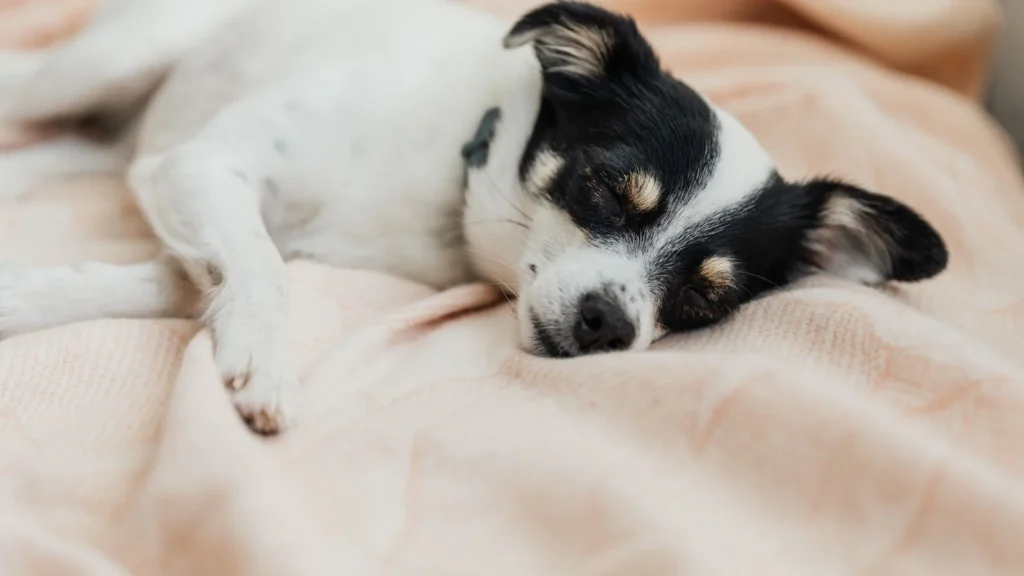
Longer than during the day. Many adult dogs sleep through the night without a trip outside, and Mills Animal Hospital says it’s common for them to hold it for 8 to 10 hours while sleeping, especially if they were well exercised and had a chance to go before bed. The AKC notes that dogs can usually hold their bladder longer when they’re asleep and not active, and recommends a last potty trip right before you go to bed.
Seniors are the exception. Mills says puppies and senior dogs may need a middle of the night break. If your older dog starts waking you up to go out when they never used to, mention it to your vet, because Mills notes it can point to a health change.
How Long Can You Leave a Dog Without a Bathroom Break?
A typical workday plus a commute often runs 9 hours or more, which is past the 6 to 8 hour range Mills gives for daytime. A few ways to bridge the gap:
- A midday break. Come home at lunch, or ask a trusted friend, neighbor or dog walker, as the AKC suggests for dogs who can’t wait a full day.
- A long walk before you leave and a trip as soon as you’re back. Mills notes exercise stimulates the urinary system, so a good walk gives your dog a real chance to go.
- An indoor option for small dogs. The AKC says pads or an indoor potty area can help very small dogs, especially in harsh winters. Our potty training guide covers the pros and cons.
- Fresh water all day. Don’t cut water to stretch the time. Mills says to make sure fresh water is always available.
Our guide on how long a puppy can hold its pee includes typical dog walker costs and a break plan for a 9 hour day.
Signs Your Dog Really Needs to Go
Mills Animal Hospital lists these signs of an overfull bladder:
- Pacing or restlessness
- Whining
- Accidents in the house
- Becoming withdrawn or irritable
If you see them, get your dog outside quickly. Repeated accidents in a dog who used to be reliable are a reason to talk to your vet, not to scold. VCA says sudden house soiling should always start with a check for a physical illness.
Why Holding It Too Long Isn’t Harmless
An occasional long stretch won’t usually hurt a healthy dog, but making it routine has a cost. Mills Animal Hospital says holding urine for long periods increases the chance of urinary tract infections, bladder stones and other urinary problems, and that over time it can contribute to infection or inflammation in the urinary tract. Bladder stones matter because, as the American College of Veterinary Surgeons (ACVS) explains, they’re the most common cause of a blocked urethra in dogs.
There’s also plain comfort. Dogs can’t tell you they’ve been waiting since breakfast, so the schedule is up to you.
Why Some Dogs Need to Pee More Often
If your dog suddenly needs more trips, or starts having accidents, a health problem may be the reason. VCA’s veterinary behaviorists list several:
- Conditions that cause more drinking and peeing: kidney or liver disease, infection, diabetes and Cushing’s disease. See signs of kidney failure in dogs.
- Medicines: corticosteroids such as prednisone.
- Conditions that make peeing uncomfortable: bladder inflammation (cystitis) and bladder stones.
- Age related changes: cognitive decline can make an older dog forget house training. See cognitive dysfunction in dogs.
- Weak bladder control: urinary or fecal incontinence.
Ohio State also notes some medical conditions make it necessary for an adult dog to pee more often. If you notice a change, a vet visit is the place to start. Once health problems are ruled out, see how to stop a dog from peeing in the house.
How Long Can a Dog Go Without Peeing Before It’s an Emergency?
Not peeing can be just as important as peeing too much. Mills Animal Hospital says that if your dog hasn’t peed in 12 hours or more, it’s time to take a closer look, and if they haven’t peed in 12 to 24 hours, are straining or seem uncomfortable, don’t wait to call your vet.
The most urgent situation is a blockage. The ACVS says a dog whose urethra is completely blocked will strain without producing any urine, will be in pain and lethargic, may stop eating and start vomiting, and can die within days if the blockage isn’t relieved. The bladder can even rupture. A dog who is unable to urinate should be seen by a vet immediately.
| What you notice | What to do | Source |
|---|---|---|
| No pee in 12 hours, otherwise acting normal | Take a closer look: offer a calm trip outside and watch for other signs | Mills |
| No pee in 12 to 24 hours, straining or discomfort | Call your vet today | Mills |
| Straining with nothing coming out, swollen belly, vomiting or lethargy | Go to a vet or emergency clinic now | ACVS |
| Small amounts very often, blood, dribbling or peeing in odd places | Book a vet visit soon | ACVS, Mills |
Some dogs hold it simply because they’re stressed. Mills notes dogs may hold their pee longer when they’re anxious, unwell or somewhere unfamiliar, such as during travel or boarding. A quiet, familiar routine helps, but the 12 to 24 hour rule still applies. Some dogs are also more prone to stones: the ACVS lists Dalmatians (urate stones) and Yorkshire Terriers and Schnauzers with liver shunts.
Dog Bladder FAQ
-
How long can dogs hold their pee?
A healthy adult dog can usually hold it about 6 to 8 hours during the day, and often 8 to 10 hours overnight while asleep, according to Mills Animal Hospital. Ohio State’s Indoor Pet Initiative still suggests offering a chance to go out about every 4 hours when possible. Puppies, seniors and small breeds need more frequent breaks.
-
How long can a dog go without peeing?
Mills Animal Hospital says to take a closer look if a dog hasn’t peed in 12 hours, and to call your vet if it’s been 12 to 24 hours or your dog is straining or uncomfortable. A dog who strains and produces no urine needs a vet immediately: the American College of Veterinary Surgeons says a complete blockage can be fatal within days.
-
Can a dog hold its pee for 12 hours?
Some can, but it’s too long. Mills Animal Hospital treats 8 to 10 hours as the upper end for a healthy adult and says regularly waiting that long raises the risk of urinary problems. No pee at all for 12 hours or more is a reason to check on your dog.
-
How many times a day should a dog pee?
Most healthy adult dogs pee 3 to 5 times a day, according to Mills Animal Hospital. Puppies, seniors, small breeds and dogs with some health conditions often go more.
-
How long can a dog hold its pee overnight?
Many healthy adults hold it 8 to 10 hours while sleeping, especially after exercise and a last trip before bed (Mills Animal Hospital). The AKC notes dogs can hold it longer asleep than awake. Senior dogs may need a night break.
-
Do small dogs need to pee more often?
Usually, yes. Mills Animal Hospital says smaller breeds often need more frequent breaks because size affects bladder capacity. A toy breed generally can’t wait as long as a large breed.
-
Why is a dog suddenly peeing more?
It can be a sign of illness. VCA lists kidney and liver disease, infections, diabetes, Cushing’s disease, some medicines like prednisone, bladder inflammation and stones among the causes. Call your vet, especially if your dog is also drinking more.
How Long Can Dogs Hold Their Pee: The Short Version
- Healthy adults: about 6 to 8 hours awake, often 8 to 10 hours asleep.
- Better: a chance to go out about every 4 hours when you can.
- Puppies, seniors, small breeds and some sick dogs need more trips.
- No pee in 12 to 24 hours or straining? Call your vet.
- Straining with nothing coming out? Go now.
Over to you: how long is your dog’s longest stretch on a normal workday? Tell us in the comments.

1 Comment