


 By
A good puppy crate training schedule matches crate time to what your puppy can physically hold: about 2 hours at 8 weeks and about 3 hours at 3 months, with a potty break before every crate stint and night trips outside for young puppies. Pair short crate sessions with naps, meals and chews, build up slowly, and never use the crate as punishment. Those are the rules from VCA and the AKC.
Below you’ll find crate times by age, a sample day, a 6 step method for crate training a puppy from day one, how to handle the overnight crate, and how to teach a “kennel” cue.

Table of Contents
- Puppy Crate Training Schedule by Age
- A Sample Crate Training Schedule for a 2 to 3 Month Old Puppy
- How to Crate Train a Puppy in 6 Steps
- Crate Training a Puppy Overnight
- How to Kennel Train a Dog on Cue
- How Long Does It Take to Crate Train a Puppy?
- Crate Training Mistakes to Avoid
- Puppy Crate Training Schedule FAQ
- Puppy Crate Training Schedule: The Short Version
Puppy Crate Training Schedule by Age
Two VCA sources give slightly different numbers. VCA’s puppy guide uses a conservative rule for potty breaks, and VCA’s board certified veterinary behaviorists give the longest a puppy can usually last right after going. Use the lower number when you’re starting out.
| Age | Daytime crate time | Overnight | Source |
|---|---|---|---|
| 8 weeks (2 months) | About 2 hours. Up to 3 right after a potty break | Out at least every 2 hours, even at night | VCA puppy guide, VCA behaviorists |
| 3 months | About 3 hours. Up to 4 right after a potty break | About every 3 hours. Many puppies can last the night by now | VCA puppy guide, VCA behaviorists |
| 4 months | Up to about 5 hours right after a potty break | Night trips get fewer as control improves | VCA behaviorists |
| About 6 months | Longer stretches as control grows | Many puppies are comfortable in the crate all night | VCA puppy guide |
The one rule that never changes: VCA’s behaviorists say never leave a puppy in the crate longer than they can hold their bladder or bowels, or they’ll be forced to go where they sleep. The AKC adds that you should never crate a dog longer than they’re comfortable. For a deeper look at bladder limits, see how long a puppy can hold its pee.
A Sample Crate Training Schedule for a 2 to 3 Month Old Puppy
Every day follows the same loop: potty, then play, then a crate nap, then potty again. VCA’s behaviorists say a puppy should only go in the crate after their needs for exploring, play, food and potty are met, and should come out before the next potty or meal is due. Here’s how that can look. Shift the times to fit your day.
- 6:30 am: Straight from the crate to the potty spot.
- 7:00 am: Breakfast in the crate, then out to potty.
- 7:30 am: Play and a short training session.
- 8:15 am: Crate nap with a chew toy.
- 10:15 am: Potty, play, potty again.
- 11:00 am: Crate nap.
- 12:30 pm: Potty, lunch in the crate, potty, play.
- 2:00 pm to 6:00 pm: Repeat the loop: crate naps of about 2 hours, with potty and play in between.
- 6:00 pm: Dinner in the crate, potty, family time.
- 10:00 pm: Last potty trip, then bed in the crate next to yours.
- Overnight: A quiet potty trip about every 2 to 3 hours, depending on age.
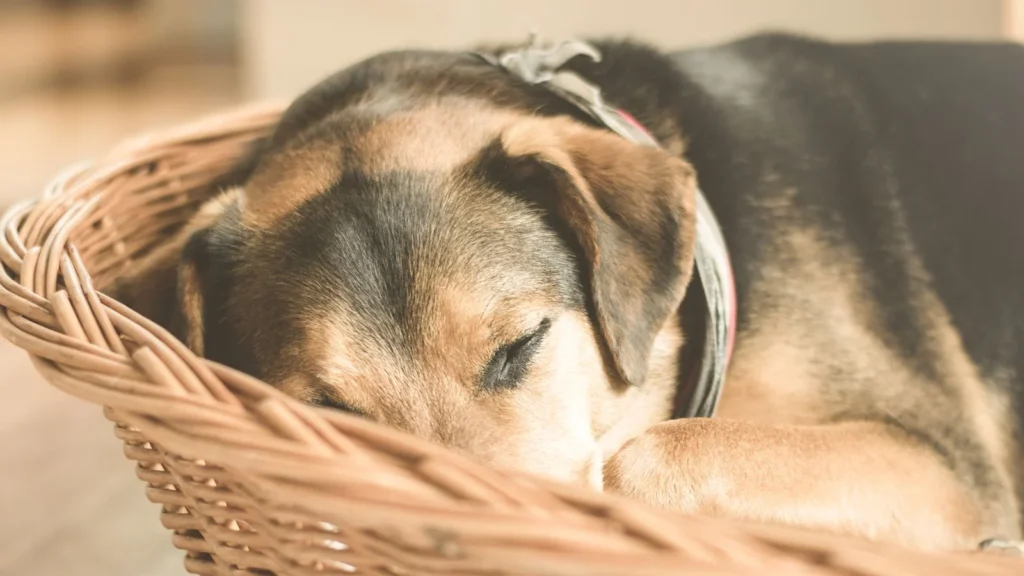
For an hour by hour plan that also covers feeding and play, see our 8 week puppy schedule. Puppies need a lot of sleep, so crate naps fit naturally into the day (here’s how much puppies sleep). If you’d like the schedule on the fridge where everyone can see it, the Print & Go Pack includes a Fridge Schedule:
How to Crate Train a Puppy in 6 Steps
Step 1: Pick the Right Crate and Spot
The AKC says the crate should be just big enough for your puppy to stand up, turn around and lie down. If it’s too big, your puppy can potty in one end and sleep in the other. A crate sized for their adult size with a divider can grow with them. Our dog crate size chart helps you pick a size, and here’s how to use a crate divider.
VCA’s behavior team suggests putting the crate where the family spends time, since dogs are social, and using a second crate in the bedroom at night if that’s easier. The AKC adds that the spot should be relatively quiet, not in the middle of the action.
Step 2: Make the Crate Great With the Door Open
Start with the door open and let your puppy explore. A trainer quoted by the AKC suggests sitting next to the crate with a handful of food or small treats, tossing one inside whenever your puppy goes near it, and dropping in another every 5 to 10 seconds for as long as they stay. Hide a few surprise treats inside when your puppy isn’t looking, so they find good things there on their own. AAHA says not to close the door until your puppy is happy to choose to rest inside.
Step 3: Feed Meals and Chews in the Crate
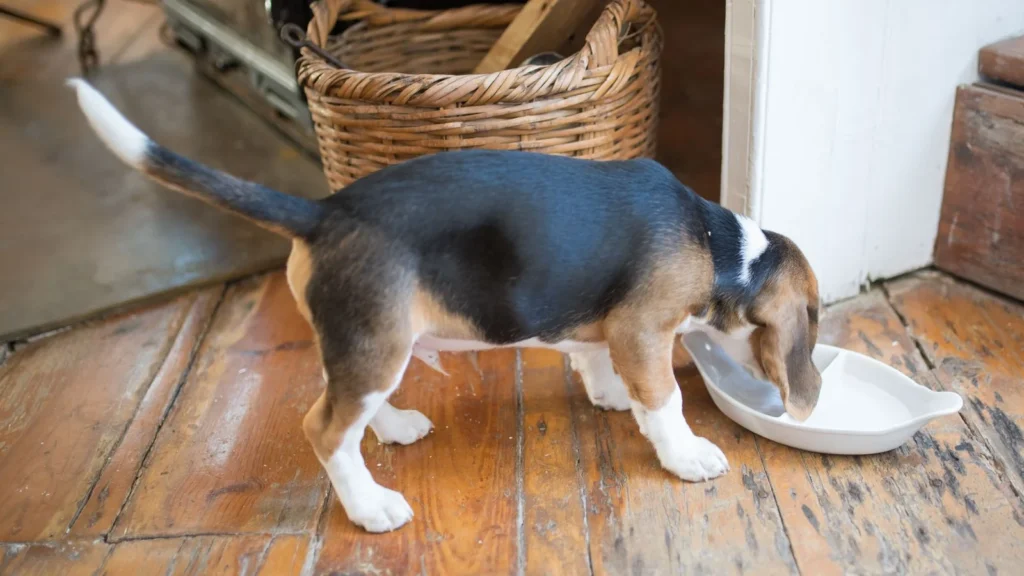
VCA suggests feeding meals inside the crate, from a slow feeder or food toy, and offering food stuffed toys and safe chews there. The AKC trainer suggests giving a food stuffed chew every time your puppy goes in, and freezing it first so it lasts longer. Provide water too.
Step 4: Close the Door for Short Spells
When your puppy walks in readily, VCA’s steps are simple. Close the door while they’re busy with a chew and sit nearby. After a few good sessions, close the door and leave the room, then come back while they’re still chewing. Slowly stretch the time until they can relax even after the chew is gone. Brief fussing that settles is normal, VCA says, but a puppy who is truly distressed isn’t learning. End the session and talk to your vet before trying again.
Step 5: Build Up to Naps and Alone Time
Always meet your puppy’s potty and exercise needs before crate time, and crate train when they’re already calm or sleepy, the AKC advises. For the first few times you leave your puppy alone in the crate, VCA suggests watching with a camera to make sure they aren’t distressed. For safety, the AKC says to take your puppy’s collar off in the crate.
A note on bedding: the AKC’s trainer warns that many puppies like to potty on soft surfaces, so hold off on beds and blankets until your puppy stops having accidents and shredding fabric. VCA’s puppy guide suggests washable bedding, and lining the crate with puppy pads for easy cleanup. If you plan to use pads for potty training, see how to potty train puppies using pads.
Step 6: Add the Night Routine
VCA says your puppy’s crate should be where they sleep at night. AAHA suggests putting it close to your bed so your puppy feels you nearby and you can hear when they need to go. The full overnight routine is below.
Crate Training a Puppy Overnight
Expect to get up. VCA’s puppy guide says a 2 month old puppy should go out at least every 2 hours, even overnight, and a 3 month old about every 3 hours. Your puppy may not be comfortable staying in the crate all night until around 6 months of age.
- Exercise and a last potty trip right before bed.
- Crate close to your bed so your puppy can sense you (AAHA).
- Keep night trips boring. VCA suggests a calm, quiet potty break on leash, with praise when they go, then straight back to the crate with a small treat. That teaches your puppy to tell you when they need to go, without turning 3 am into playtime.
- Clean up calmly. VCA’s puppy guide says to expect some night accidents, which drop off as your puppy grows and learns the routine.
If your puppy cries, think about why. The AKC says crying that starts within minutes of going in usually means stress, so go back a step and make the crate more rewarding. Crying after a puppy has been settled for a while is more likely boredom, hunger or a need to potty. Our guide to puppy crying in the crate covers it step by step, and how to potty train a puppy covers the potty side.
How to Kennel Train a Dog on Cue
Once your puppy goes into the crate happily, VCA’s behavior team suggests adding a cue so you can send them in on request. The same method works for adult dogs.
- Toss a treat into the crate. When your dog goes in, say “Yes!” and drop in two or three more.
- Toss a treat outside the crate so your dog comes out. Repeat three or four times per session.
- When your dog runs in eagerly, say your cue word, such as “kennel,” just as they head for the crate.
- After a few sessions, say the cue before you toss the treat.
- Then say the cue, wait for your dog to go in, and only then give the treat.
- Practice closing the door and giving a few treats, then build up time and distance.
For an adult dog or older puppy who has never used a crate, VCA’s behaviorists suggest setting it up in their feeding area with the door open for a few days, with food, treats and water inside so they go in on their own. For a newly adopted adult dog, our rescue dog nighttime routine covers the first nights.
How Long Does It Take to Crate Train a Puppy?
VCA’s puppy guide says most puppies get used to their crate within 1 to 2 months. That doesn’t mean no more accidents, and sleeping through the night in the crate may take until about 6 months. Using the crate as punishment can set training back a long way. For a comparison with house training, here’s how long potty training takes.
Keeping a log helps you see progress. The First 30 Days Puppy OS has one tap buttons for naps and potty on its dashboard, plus a crying page with its own tracker.
Crate Training Mistakes to Avoid
- Using the crate as punishment. Both VCA and the AKC say never do this. The crate should always mean good things.
- Forcing your puppy in or leaving them to cry it out. The AKC and AAHA both warn against it. Go at your puppy’s pace.
- Crating too long. Never longer than your puppy can hold it. For long days, the AKC suggests a dog walker, a sitter or a puppy proofed pen.
- Missing signs of panic. The AKC lists pacing, shaking, scratching or biting at the door, long bouts of howling or barking, and drooling. Dogs with separation anxiety can hurt themselves trying to escape, so use a safe pen instead and get professional help. Our guide to dog anxiety in crate covers the signs and next steps.
- Skipping exercise. VCA says a crate is a tool for times you can’t supervise or your dog needs rest, not a replacement for play, training and company.
Puppy Crate Training Schedule FAQ
-
What is a good puppy crate training schedule?
Follow a loop of potty, play, crate nap, potty. At 8 weeks, keep crate stretches to about 2 hours and take your puppy out at least every 2 hours, even at night. At 3 months, aim for about 3 hours. Feed meals in the crate and always take your puppy out before crate time. These limits come from VCA.
-
How long can a puppy stay in a crate?
VCA’s puppy guide uses about 2 hours at 2 months and about 3 hours at 3 months. VCA’s behaviorists say right after a potty break, a 2 month old can manage up to 3 hours, a 3 month old up to 4, and a 4 month old up to 5. Never crate longer than your puppy can hold it.
-
How do you crate train a puppy overnight?
Put the crate next to your bed, exercise your puppy and take them out right before bed, and plan quiet potty trips through the night: about every 2 hours at 2 months and every 3 hours at 3 months, according to VCA. Keep night trips calm and boring, then straight back to the crate.
-
How long does it take to crate train a puppy?
VCA’s puppy guide says most puppies get used to the crate within 1 to 2 months, though accidents can still happen and sleeping through the night in the crate may take until about 6 months. Using the crate as punishment sets training back.
-
How do you kennel train a dog?
Make the crate rewarding first with treats, meals and chews inside, door open. Then, as VCA describes, toss a treat in, reward when your dog enters, add a cue word like “kennel” as they head in, and slowly build up time with the door closed.
-
Should you put a bed or blanket in a puppy’s crate?
The AKC’s trainer suggests waiting, because many puppies like to potty on soft surfaces, until your puppy has stopped having accidents and shredding fabric. VCA’s puppy guide suggests washable bedding and puppy pads for easy cleanup. Either way, keep it easy to wash.
-
What should you do if a puppy cries in the crate?
Think about the timing. The AKC says crying within minutes of going in usually means stress, so slow down and make the crate more rewarding. Crying after a long settle more often means boredom, hunger or a potty need. Don’t leave a puppy to cry it out, and take them out quietly if they may need to go.
Puppy Crate Training Schedule: The Short Version
- Crate time by age: about 2 hours at 8 weeks, about 3 hours at 3 months.
- Every crate stint starts after a potty break and some play.
- Make the crate great: treats, meals and chews inside, door open at first.
- Close the door for short spells, then build up slowly.
- At night: crate by your bed and quiet, boring potty trips.
- Never use the crate as punishment, and never crate longer than your puppy can hold it.
Over to you: how old was your puppy when they first slept through the night? Tell us in the comments.
