

 By
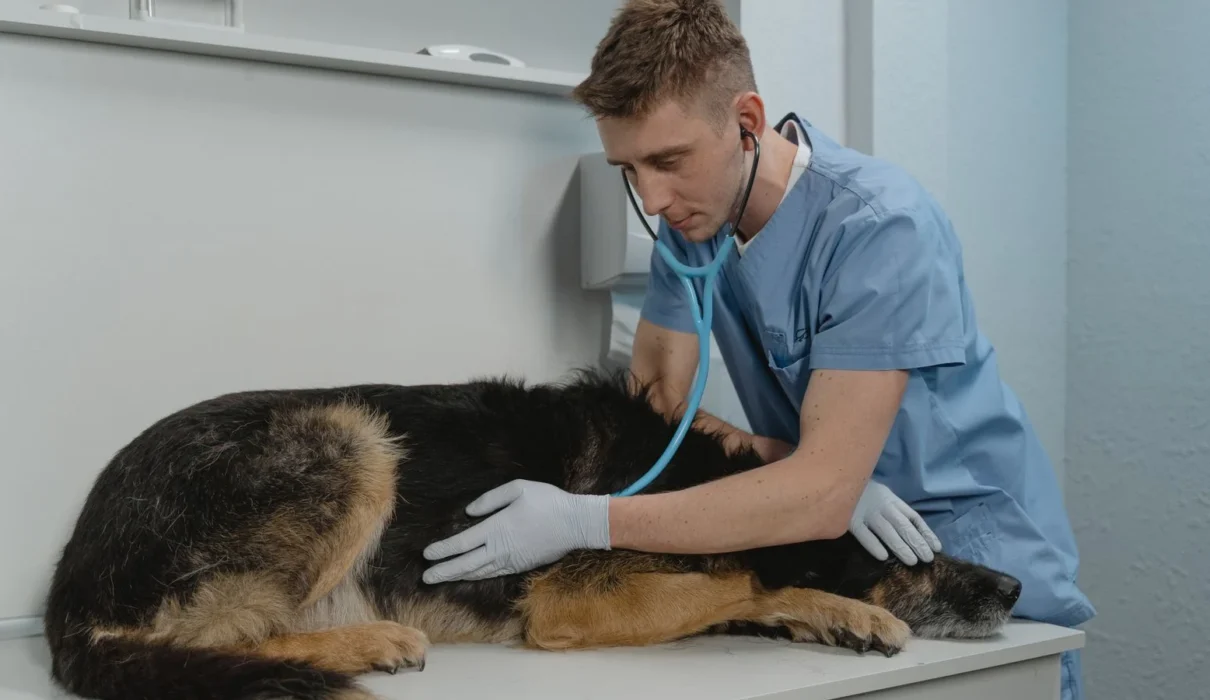
Kennel cough symptoms usually start with a loud, honking cough that comes on suddenly and is often followed by retching or gagging. Many dogs also sneeze or have a runny nose and stay bright and hungry, but a fever, a wet cough, fast or labored breathing, low energy or a poor appetite can mean pneumonia, and the AVMA says that needs immediate veterinary attention.
Kennel cough spreads where dogs gather, such as boarding kennels, daycare, grooming salons and training classes, so it’s worth knowing before holiday travel. Below are the signs, what the cough sounds like, how long it lasts, whether people can catch it and how to lower the risk before a holiday stay. General guidance, not veterinary advice.

Table of Contents
- What Is Kennel Cough?
- Kennel Cough Symptoms: 8 Signs to Know
- What Does Kennel Cough Sound Like?
- When Kennel Cough Symptoms Mean See a Vet Now
- How Long Does Kennel Cough Last?
- How Kennel Cough Spreads (and How Long It’s Contagious)
- Can Humans Get Kennel Cough?
- Kennel Cough or Something Else?
- How Vets Treat Kennel Cough
- Home Care While Your Dog Recovers
- Holiday Boarding: How to Lower the Risk
- Kennel Cough Vaccines: What They Do and Don’t Cover
- Kennel Cough Symptoms: FAQ
- Kennel Cough Symptoms: The Short Version
What Is Kennel Cough?
Kennel cough is the everyday name for canine infectious respiratory disease complex (CIRDC). The AVMA describes it as a highly contagious illness of the respiratory tract in dogs. The Merck Veterinary Manual explains that it comes from inflammation of the trachea (windpipe) and is usually a mild illness that clears up on its own, but it may progress to pneumonia in puppies or to chronic bronchitis in weak or older dogs.
It isn’t one germ. The AVMA lists several bacteria and viruses that can be involved, and a dog can catch two or more at once. The main ones are:
- Bordetella bronchiseptica, a bacterium, and the reason the kennel cough vaccine is often just called “Bordetella”
- Canine parainfluenza virus
- Canine adenovirus type 2
- Canine influenza, plus others such as canine respiratory coronavirus, canine herpesvirus and Mycoplasma
Kennel Cough Symptoms: 8 Signs to Know
Merck, the AVMA and Cornell University’s College of Veterinary Medicine describe the same core picture:
- A honking cough. Merck says the main sign is a cough that sounds like a “goose honk.”
- Retching or gagging after a coughing spell, which Merck lists alongside the cough.
- A sudden start that gets worse with activity. The AVMA says the cough starts suddenly and often worsens with activity.
- Sneezing, which the AVMA calls common.
- A runny nose or watery eyes. Cornell lists nasal and eye discharge.
- A mild fever, listed by Cornell.
- Low energy or tiredness.
- Eating less than usual.
Many dogs only have the cough. Merck’s dog health pages say affected dogs usually have little else besides some loss of appetite, and that body temperature usually stays normal. The AVMA adds that some dogs with CIRDC don’t cough at all, so sneezing and a runny nose after a stay with other dogs are worth noting too.
What Does Kennel Cough Sound Like?
Vets describe it as a harsh, dry honk. Merck compares it to a goose honk, and its dog health pages describe spasms of harsh, dry coughing that may be followed by retching and gagging. Cornell calls it a loud, high pitched, persistent honking cough. The gag at the end can look like your dog is trying to bring something up.
The cough often gets worse when your dog is excited, pulls on the leash or runs around. Merck notes that gentle pressure on the throat or windpipe can easily set it off, which is one reason the AVMA suggests avoiding neck leashes while a dog recovers.

When Kennel Cough Symptoms Mean See a Vet Now
Most cases are mild, but kennel cough can turn into pneumonia. The AVMA says lethargy, a poor appetite, fever, a productive (wet) cough and rapid or labored breathing can mean bacteria have infected the lungs, and that immediate veterinary attention is needed.
| What you notice | Usually mild | Call your vet |
|---|---|---|
| Cough | Dry, honking, then a gag | Wet, with mucus, or getting worse |
| Breathing | Normal between coughs | Fast, hard or noisy at rest |
| Energy and appetite | Playful, eating as usual | Tired, weak or not eating |
| Nose | Clear, watery discharge | Thick, yellow or green discharge |
| Time | Improving within days | Not better within 2 weeks |
VCA Animal Hospitals says to see your vet if the cough isn’t better within 2 weeks or you notice trouble breathing, weakness or fever, and to go to urgent care if signs get worse or seem severe. The AVMA says puppies, older dogs and dogs with other health problems are at greater risk, so call sooner for them. Merck also says puppies are more prone to severe disease.
Call the clinic before you go in. The AVMA recommends calling ahead so staff can advise you and keep other patients safe, and VCA asks clients to mention respiratory signs before they arrive.
How Long Does Kennel Cough Last?
| Stage | Typical timing | Source |
|---|---|---|
| Exposure to first cough | About 6 days (range 2 to 10) | Cornell |
| Cough at its worst | The first 5 days, then easing | Merck |
| Most dogs fully recover | 7 to 10 days | AVMA |
| Longer cases | Up to 10 to 20 days | Merck |
| Still not better | After 2 weeks, see your vet | VCA |
Merck puts the start of the cough at about 5 to 10 days after contact with other dogs, which is why a cough often shows up after a dog comes home from boarding.
How Kennel Cough Spreads (and How Long It’s Contagious)
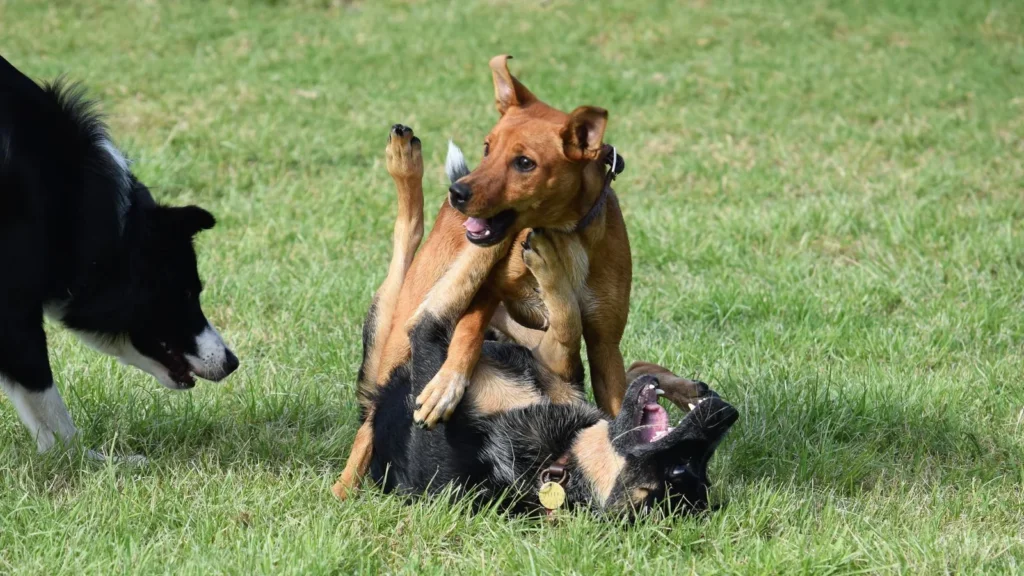
The AVMA says most dogs with CIRDC are contagious before they start showing signs, which is why it moves so easily through groups of dogs. It spreads through:
- Close contact and breathing in droplets from coughs and sneezes
- Shared toys, bedding and water bowls
- Hands that touch one dog and then another
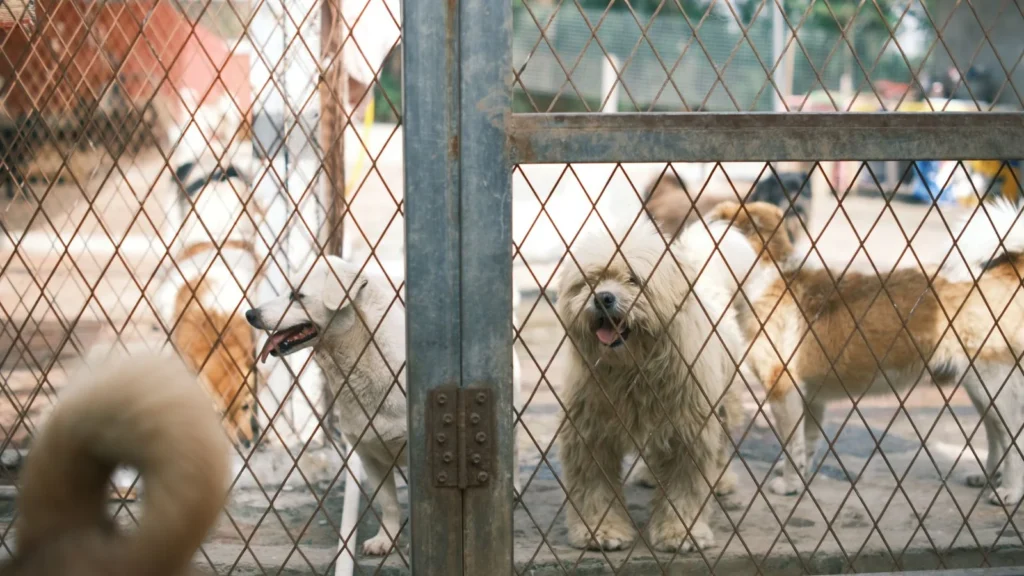
Some of the germs are tough. The AVMA says some can survive in the environment for weeks, and Cornell says Bordetella can survive for at least 10 days. Cornell also warns that dogs with Bordetella can stay contagious for up to 8 weeks after their symptoms clear, and possibly longer. Crowded places raise the risk: Cornell names boarding, grooming and daycare facilities, shelters, dog shows and vet clinics.
Can Humans Get Kennel Cough?
It’s very unlikely. The AVMA says Bordetella bronchiseptica is the only kennel cough germ known to infect people, that dog to human transmission is extremely rare and that most reported cases were in people with severely weakened immune systems. During the 2023 wave of canine respiratory illness, AVMA president Rena Carlson said the risk of people getting sick from these dogs is extremely low and suggested washing your hands after handling dogs.
If someone in your home has a weakened immune system, tell your vet and their doctor. Cornell notes that these households may consider the injectable kennel cough vaccine for their dog instead of the nasal or oral kind. Cornell also says Bordetella can infect cats, so keep a coughing dog’s bowls and bedding apart from other pets.
Kennel Cough or Something Else?
A honking cough isn’t always kennel cough. A loud snort made while your dog breathes in, with your dog normal right after, is more likely reverse sneezing in dogs, which is usually harmless. A few other problems can sound similar:
| Condition | What you may notice | More likely in | Source |
|---|---|---|---|
| Kennel cough | Sudden honking cough, often after time with other dogs | Any age, puppies hit harder | Merck, AVMA |
| Canine influenza | Persistent cough, thick nasal discharge, fever often 104 to 105°F | Dogs that mix with other dogs | AVMA |
| Collapsing trachea | Dry, honking cough that keeps coming back, labored breathing | Toy and miniature breeds | Merck |
| Heart disease, cancer or other causes | A cough or breathing change that isn’t from an infection | Any dog | Univ. of Tennessee |
The AVMA says canine influenza looks so much like other respiratory illnesses that lab tests are needed to confirm it. Only a vet exam can tell these apart, so a cough that lasts, keeps coming back or comes with breathing trouble needs a visit.

How Vets Treat Kennel Cough
There’s no single cure. The AVMA says there is no special drug for CIRDC and mild cases are managed with rest. Merck says dogs with a cough only often don’t need a hospital stay, and that antibiotics usually aren’t needed unless there are signs of pneumonia. The AVMA adds that antibiotics may be used when illness lasts more than 10 days.
Your vet may prescribe a cough suppressant for a dry, nagging cough, but Merck notes that these shouldn’t be used when pneumonia is present. That’s why any medicine, including cough and cold products made for people, should only be given if your vet says so.
Home Care While Your Dog Recovers
- Rest and calm. The AVMA advises rest and avoiding excitement.
- Use a harness, not a collar, since the AVMA advises avoiding neck leashes.
- Keep your dog away from other dogs until fully recovered (AVMA), and ask your vet when it’s safe to mix again. That includes walks past neighbors’ dogs and holiday visits.
- Keep bowls, toys and bedding separate, and wash them regularly, as the American Animal Hospital Association (AAHA) advises.
- Try steam or a humidifier. AAHA says humidifiers and steam can soothe irritated airways.
- Wash your hands after handling your dog, especially if you also handle other dogs.

Holiday Boarding: How to Lower the Risk
If your dog will board, go to daycare or visit relatives who have dogs over the holidays, a little planning helps. Here is a simple timeline:
| When | What to do | Source |
|---|---|---|
| When you book | Ask which vaccines the facility requires. Most kennels require the kennel cough vaccine within 6 months of boarding. | UC Davis |
| At least 1 week before | Get the kennel cough vaccine if your vet recommends it, so it has time to work. | UC Davis |
| At your visit | Ask about infection control, whether respiratory disease has been a problem and how they isolate coughing dogs and notify owners. | AVMA |
| 2 to 10 days after pickup | Watch for a cough. If one starts, call your vet and tell the facility. | Cornell, AVMA |
The AVMA also suggests reducing contact with large numbers of unknown dogs and keeping your dog away from places where dogs gather during a local outbreak. A coughing dog should skip holiday get togethers with other dogs. Our guide to Christmas dangers for dogs covers the other seasonal risks, from food to decorations.
Kennel Cough Vaccines: What They Do and Don’t Cover
Vaccines lower the risk, but they can’t block every cause. The AVMA says the best protection is keeping vaccines current, and it recommends a yearly nasal vaccine against Bordetella, canine adenovirus type 2 and parainfluenza for dogs that mix with many other dogs, plus a canine influenza vaccine where flu is circulating. Cornell calls the Bordetella vaccine non core but highly recommended for dogs at risk, and says it comes as an oral, nasal or injected vaccine.
Because so many germs are involved, the ASPCA notes that CIRDC is not a vaccine preventable disease, even though vaccination helps reduce how often and how badly dogs get sick. So a vaccinated dog can still catch kennel cough.
Puppies need extra care, since Merck says they are more prone to severe disease. Cornell says Bordetella vaccination can begin at 6 to 8 weeks of age. Our puppy shot schedule shows where it fits, and our guides to when puppies can go outside and puppy socialization explain how to meet other dogs safely before the shots are done. If you’re bringing a puppy home at Christmas, ask about the kennel cough vaccine at the first vet visit.
If someone else will look after your dog over the holidays, leave your vet’s details where they can find them. The Print & Go Pack includes a one page Emergency Cheat Sheet:
Kennel Cough Symptoms: FAQ
-
What are the symptoms of kennel cough?
The main symptom is a sudden, honking cough that the Merck Veterinary Manual compares to a goose honk, often followed by retching or gagging. Other signs include sneezing, a runny nose or eyes, a mild fever, low energy and eating less. General guidance, not veterinary advice.
-
What is kennel cough?
Kennel cough is the common name for canine infectious respiratory disease complex (CIRDC), a highly contagious infection of a dog’s airways. The AVMA says several bacteria and viruses can cause it, including Bordetella bronchiseptica, canine parainfluenza virus and canine adenovirus type 2.
-
What does kennel cough sound like?
A harsh, dry honk, like a goose. Cornell describes a loud, high pitched, persistent honking cough, and Merck says it may be followed by retching and gagging, so it can look like your dog is trying to bring something up.
-
Can humans get kennel cough?
It’s very rare. The AVMA says only Bordetella bronchiseptica is known to infect people and that dog to human spread is extremely rare, mostly in people with severely weakened immune systems. Washing your hands after handling a coughing dog is a sensible step.
-
How long does kennel cough last?
The AVMA says most dogs fully recover within 7 to 10 days. Merck says the cough is usually worst in the first 5 days and can last 10 to 20 days. VCA advises seeing your vet if it isn’t better within 2 weeks.
-
How long is kennel cough contagious?
Dogs are often contagious before they cough, according to the AVMA. Cornell says dogs with Bordetella can stay contagious for up to 8 weeks after symptoms clear, so keep your dog away from other dogs until your vet says it’s safe.
-
When does kennel cough need a vet visit?
Call your vet right away for a wet cough, fever, fast or labored breathing, low energy or not eating, since the AVMA says these can mean pneumonia. Puppies, older dogs and dogs with other health problems should be seen sooner. Call ahead so the clinic can protect other patients.
Kennel Cough Symptoms: The Short Version
- The classic sign is a sudden, honking cough, often ending in a gag.
- Sneezing, a runny nose, mild fever, tiredness and eating less can come with it.
- Coughing usually starts 2 to 10 days after contact with other dogs.
- Most dogs recover in 7 to 10 days. See your vet if there’s no improvement in 2 weeks.
- A wet cough, fever, fast breathing or not eating needs a vet right away.
- People very rarely catch it. Wash your hands and keep sick dogs apart.
- Vaccinate at least a week before boarding if your vet recommends it.
General guidance, not veterinary advice. Over to you: is your dog boarding over the holidays this year? Tell us how you’re getting ready in the comments.
