


 By
A dog throwing up yellow is usually bringing up bile. The American Kennel Club (AKC) says yellow or green vomit often contains bile and that this can happen when a dog’s stomach is empty. One episode in a dog that is bright, hungry and acting normal is often minor, but vomiting again and again, vomiting with tiredness, belly pain, diarrhea or blood, or retching with nothing coming up needs a vet.
Below are the 7 most common causes, the morning pattern vets call bilious vomiting syndrome, a clear guide to when to call the vet, what to do at home and what changes for puppies. General guidance, not veterinary advice.

Table of Contents
- What Does It Mean When a Dog Throws Up Yellow?
- 7 Causes of a Dog Throwing Up Yellow
- Why Do Dogs Throw Up Yellow in the Morning?
- When to Call the Vet for Yellow Vomit
- Vomiting or Regurgitation?
- What to Do at Home After Your Dog Throws Up Yellow
- Puppy Throwing Up Yellow
- Holiday Leftovers and Yellow Vomit
- How to Help Prevent Yellow Vomit
- Dog Throwing Up Yellow: FAQ
- Dog Throwing Up Yellow: The Short Version
What Does It Mean When a Dog Throws Up Yellow?
Bile is a digestive fluid that normally moves from the gallbladder into the small intestine. When it flows back into an empty stomach, it can irritate the lining. Dr. Rebecca Greenstein, quoted by the AKC, says bilious vomiting (bringing up bile) is often associated with an empty stomach, and the AKC notes it can also happen with several digestive conditions.
So the yellow color tells you the stomach was mostly empty, not what caused the vomiting. A dog that has already vomited a meal can also bring up yellow fluid once the food is gone. That’s why vets look at the whole picture: how often it happens, when, and how your dog acts in between.
7 Causes of a Dog Throwing Up Yellow
1. An Empty Stomach (Bilious Vomiting Syndrome)
The most common harmless pattern is a dog that vomits a little yellow fluid early in the morning or late at night, before a meal, and is otherwise well. Vets call this bilious vomiting syndrome (BVS). It’s covered in detail below.
2. Eating Something They Shouldn’t
VCA Animal Hospitals lists dietary indiscretion as a common cause of vomiting: table scraps, garbage, spoiled food, plants and foul tasting things like certain insects. Food intolerance or allergy can also cause it.
3. Pancreatitis
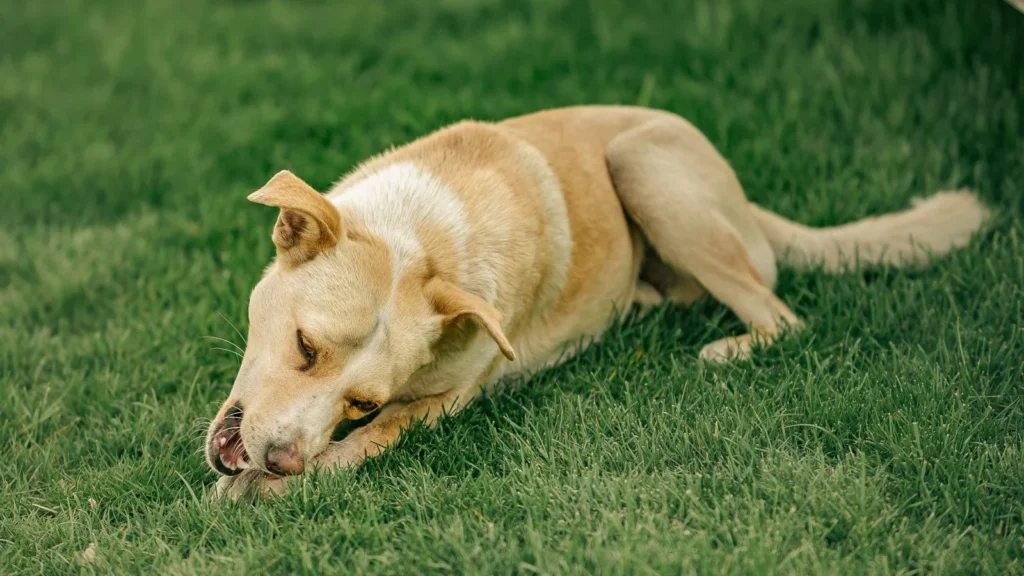
Dr. Sara Jablonski of Michigan State University, quoted by the AKC, names acute pancreatitis among the most common causes of yellow vomit. VCA says a fatty meal may trigger pancreatitis in some dogs and lists nausea, vomiting, fever, lethargy, belly pain, diarrhea and a poor appetite as common signs. Some dogs take a “praying position” with the rear end up and the front legs and head lowered.
4. An Intestinal Blockage
Dr. Jablonski also names intestinal blockages among the most common causes. VCA lists blockages from swallowed foreign objects among the more serious causes of vomiting. A dog that keeps vomiting, can’t keep food or water down or retches with nothing coming up needs a vet the same day.
5. Intestinal Parasites
Both VCA and the AKC list intestinal parasites as a cause of vomiting. Regular parasite checks and prevention from your vet help rule them out.
6. Infections
Bacterial and viral infections can cause vomiting (VCA). In puppies, parvovirus is the big worry. More on that in the puppy section below.
7. Other Illnesses
The AKC lists irritable bowel disease, cancers, allergies and Addison’s disease among other causes of yellow vomit, and VCA adds liver or kidney disease, inflammatory bowel disease and toxin ingestion. VCA warns that, left untreated, these more serious causes can lead to serious complications, including death.
Why Do Dogs Throw Up Yellow in the Morning?
A dog that throws up yellow foam first thing in the morning, then eats breakfast happily, often has bilious vomiting syndrome. If the foam is white rather than yellow, see our guide to a dog throwing up white foam. Here is what the AKC’s veterinary experts say about it:
- When: Dr. Craig Webb of Colorado State University says it usually happens in the early hours of the morning.
- Which dogs: any age, size or breed, but Dr. Webb says it seems to occur most often in young, adult, mid sized, otherwise healthy dogs, with no particular breed disposition.
- What it looks like: Dr. Jablonski describes intermittent early morning vomiting of yellow tinged fluid in dogs that appear otherwise healthy, with good appetites, normal energy and no weight loss or diarrhea.
- Nausea signs: lip smacking, drooling and panting, and sometimes a short dip in appetite.
BVS is what Dr. Jablonski calls a diagnosis of exclusion, so your vet rules out other causes before calling it BVS, which may involve blood tests and X-rays or an ultrasound. Once other causes are ruled out, Dr. Webb says the best first attempt at treatment is feeding part of dinner as a late night snack to shorten the overnight fast. Ask your vet before you change your dog’s feeding schedule, and see them if the late snack doesn’t help. Any medicine for BVS should come from your vet.
When to Call the Vet for Yellow Vomit
| What you notice | What to do | Source |
|---|---|---|
| One episode, dog bright and eating | Watch closely, call your vet if unsure | AKC, VCA |
| Vomiting that is frequent or severe | Call your vet right away | AKC |
| Ongoing vomiting for more than 4 to 6 hours | Call your vet right away | AKC |
| Can’t keep food or water down | See a vet promptly | AKC |
| Retching with nothing coming up, swollen belly | Emergency vet now (possible bloat) | AKC |
| Tiredness, poor appetite, diarrhea, belly pain or fever | See a vet promptly | AKC, VCA |
| Blood or foreign material in the vomit | See a vet promptly | AKC, VCA |
| May have eaten something toxic | Call your vet or poison control now | VCA |
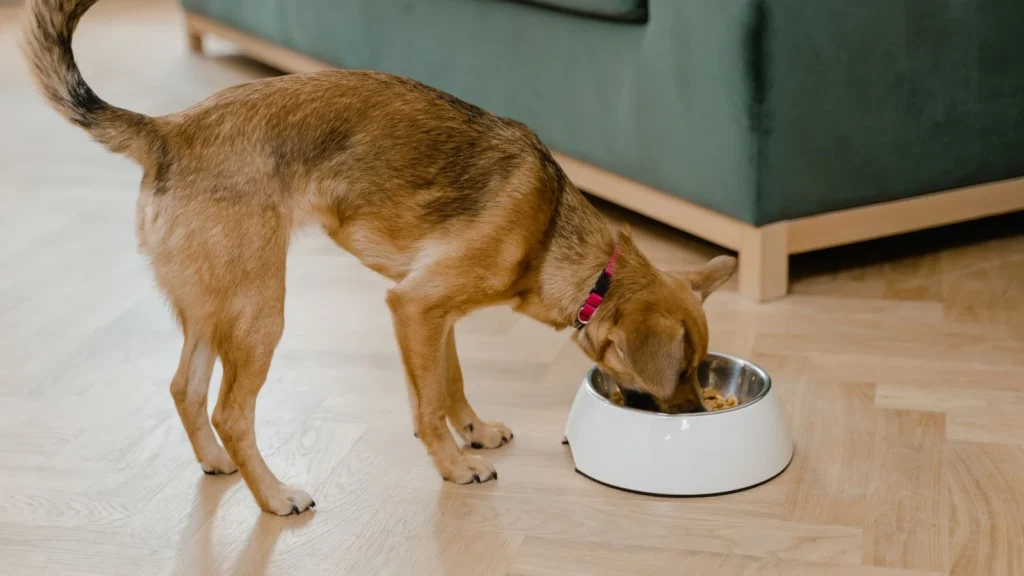
VCA says many cases of sudden vomiting improve on their own within 24 hours, but a dog that seems well and keeps vomiting for more than one to two days still needs a vet. The AKC adds that vomiting in a dog with another illness, or vomiting that has led to dehydration or weakness, needs a call right away.
Retching with nothing coming up plus a swelling belly can be bloat, which is a different emergency. See our guide to the signs of bloat in dogs and go to an emergency clinic straight away if you see them.
If you think your dog ate something toxic, call your vet, ASPCA Animal Poison Control at (888) 426-4435 or the Pet Poison Helpline at 855-764-7661. A fee may apply. Don’t try to make your dog vomit unless a vet tells you to.
Vomiting or Regurgitation?
It helps your vet to know which one you saw. VCA explains that vomiting usually comes with heaving and effort from the belly, while regurgitation is more passive: food comes back up quickly, without belly effort or warning signs, often right after eating or drinking. Regurgitation usually points to a problem with the esophagus rather than the stomach.
What to Do at Home After Your Dog Throws Up Yellow
- Watch your dog closely for the warning signs in the table above.
- Keep fresh water available. VCA says this helps prevent dehydration.
- Take notes and a photo. The AKC says your vet will want to know how many times your dog vomited, any medications, and what you’ve already tried, and that a photo of the vomit helps.
- Don’t give human medicines or home remedies unless your vet tells you to.
- Ask before changing food. VCA says vets sometimes withhold food briefly and then start a bland, easily digested diet in small, frequent portions, but your vet should decide what fits your dog.
For longer term digestive care, our guide to dog gut health covers diet changes and other everyday habits.
Puppy Throwing Up Yellow
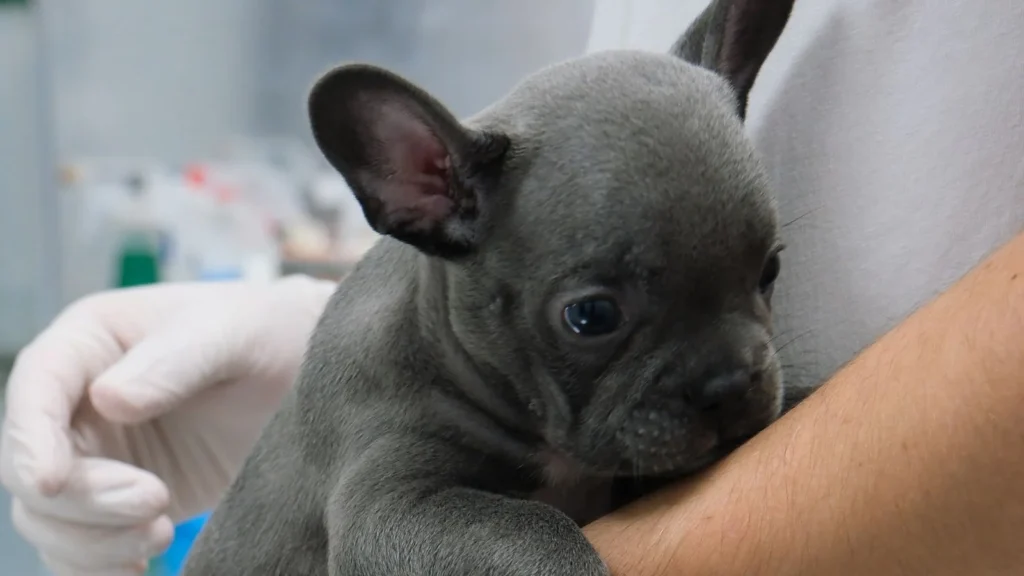
Call your vet sooner for a puppy. Vomiting in a puppy that hasn’t finished its vaccines can be a sign of parvovirus. Cornell’s Baker Institute for Animal Health lists the usual signs of parvo as lethargy, depression and loss of appetite, followed by a sudden high fever, vomiting and diarrhea. Parvo is an emergency, so don’t wait to see if it passes.
Intestinal parasites can also cause vomiting (VCA), so ask your vet about deworming and stool checks. Our puppy shot schedule explains the vaccine visits, and our guide to when puppies can go outside covers how to keep an unvaccinated puppy safe.
Holiday Leftovers and Yellow Vomit
Holiday meals bring the two triggers vets mention most: rich, fatty food and things dogs shouldn’t eat. VCA says a fatty meal may trigger pancreatitis, and it lists table scraps and garbage among the common causes of vomiting. Ask guests not to share plates, keep the trash closed and keep leftovers out of reach.
Our list of Christmas dangers for dogs covers the foods, plants and decorations to watch for over the season.

How to Help Prevent Yellow Vomit
- Keep meals regular so your dog doesn’t go too long on an empty stomach. If your vet confirms BVS, ask about a late evening snack (AKC).
- Skip table scraps and fatty leftovers, which VCA links to vomiting and pancreatitis.
- Keep trash, plants and small objects out of reach to avoid blockages and toxins.
- Stay on top of parasite prevention and vaccines with your vet.
- Change foods slowly. VCA advises bringing back the normal diet slowly over several days after a bout of vomiting.
Keep your vet’s number and the poison control numbers where everyone in the house can find them. The Print & Go Pack includes a one page Emergency Cheat Sheet:
Dog Throwing Up Yellow: FAQ
-
Why do dogs throw up yellow?
Yellow vomit is usually bile. The AKC says yellow or green vomit often contains bile and can happen when a dog’s stomach is empty. Causes range from an empty stomach (bilious vomiting syndrome) to eating something they shouldn’t, pancreatitis, blockages, parasites and infections. General guidance, not veterinary advice.
-
Is a dog throwing up yellow an emergency?
Not always. One episode in a dog that is bright and eating is often minor. Call your vet right away if the vomiting is frequent, lasts more than 4 to 6 hours, or comes with tiredness, diarrhea, blood, belly pain or retching with nothing coming up (AKC).
-
Why do dogs throw up yellow foam in the morning?
Often it’s bilious vomiting syndrome, which Dr. Craig Webb of Colorado State University says usually happens in the early hours of the morning. It’s a diagnosis your vet makes after ruling out other causes.
-
Should you feed a dog after it throws up yellow?
Ask your vet. For confirmed bilious vomiting syndrome, Dr. Webb suggests feeding part of dinner as a late night snack. For other vomiting, VCA says vets may withhold food briefly and then start a bland diet, so follow your vet’s plan.
-
What if a puppy is throwing up yellow?
Call your vet promptly. Vomiting in a puppy that hasn’t finished its vaccines can be a sign of parvovirus, which Cornell’s Baker Institute says often comes with lethargy, loss of appetite, fever and diarrhea.
-
What is the difference between vomiting and regurgitation?
VCA says vomiting involves belly contractions and effort, while regurgitation is passive and happens quickly, often right after eating or drinking, without warning signs.
-
When should you take a dog to the vet for vomiting?
The AKC says to contact your vet right away if vomiting is frequent or severe, comes with lethargy, poor appetite or diarrhea, lasts more than 4 to 6 hours, contains blood or foreign material, or has caused dehydration.
Dog Throwing Up Yellow: The Short Version
- Yellow vomit is usually bile from an empty stomach.
- One episode in a bright, hungry dog is often minor. Watch closely.
- Morning yellow foam in a healthy dog may be bilious vomiting syndrome.
- Call your vet for repeated vomiting, blood, diarrhea, tiredness or belly pain.
- Retching with nothing coming up plus a swollen belly is an emergency.
- Puppies need a vet call sooner because of parvo.
- Skip fatty holiday scraps and keep trash and toxins out of reach.
General guidance, not veterinary advice. Over to you: does your dog have an upset stomach in the morning? Tell us in the comments what time your dog usually eats dinner.
