

 By
By If your dog has chronic paw licking, a dull coat, and recurring ear infections that keep coming back after treatment, the underlying cause may not be a skin problem at all. It may be a gut health problem that’s expressing itself on the surface. This post covers how that connection works, how to tell whether gut health is the root cause in your specific dog, and what a gut-focused approach actually involves beyond just adding a probiotic.
If you are searching for how to improve dog gut health because the same symptoms keep circling back, you are looking in the right place.
Search dog paw licking dull coat ear infections gut health and you will find plenty of theories. Here is what the evidence actually supports.
Before we go further, a note on terminology. You’ll see “leaky gut” used throughout this topic online. It is a real concept supported by legitimate research, referring to increased intestinal permeability that allows partially digested proteins and bacterial byproducts to pass into the bloodstream. But “leaky gut” is not a formal veterinary diagnosis and cannot be confirmed with a single test. I’m going to use the more accurate term “gut dysbiosis” (an imbalance in the gut microbiome) alongside intestinal hyperpermeability where relevant, and I’ll flag clearly what’s well-established versus what’s still emerging science.
Table of Contents
- How the Gut and the Skin Are Actually Connected
- Dog Paw Licking, Dull Coat, and Ear Infections: The 5 Signs It Is Actually a Gut Health Problem
- How to Tell If It’s Actually a Gut Problem
- How to Improve Dog Gut Health: What a Gut-Focused Approach Actually Looks Like
- Mistakes That Keep the Symptoms Coming Back
- What Costs to Expect
- Four Years of Treating the Surface
- What the Pet Wellness Industry Gets Wrong Here
- Frequently Asked Questions
How the Gut and the Skin Are Actually Connected
Roughly 70% of a dog’s immune system lives in the gut. Not near the gut, in it. The gut-associated lymphoid tissue (GALT) is one of the largest immune organs in the body, and it works in constant communication with every other system, including the skin.
When the gut microbiome is balanced, it acts as a regulatory layer for immune responses. When it’s disrupted (from antibiotic use, a low-quality diet, chronic stress, infection, or genetic predisposition), the immune system can become overreactive. That overreactivity shows up as inflammation. And for many dogs, that inflammation expresses itself most visibly in the skin, coat, and ears.
This is called the gut-skin axis, and it’s one of the most researched areas in veterinary dermatology right now. Multiple studies have found that dogs with atopic dermatitis show significantly lower gut microbiome diversity than healthy dogs, along with reduced levels of beneficial bacteria including Lactobacillus and Faecalibacterium and higher levels of opportunistic organisms like Escherichia and Clostridioides. A 2025 review in the Journal of Animal Science and Biotechnology summarizes the growing body of evidence linking gut microbiome composition to skin barrier function in dogs. VCA Animal Hospitals covers the skin-immune connection in their overview of canine atopic dermatitis, the formal term for the chronic inflammatory skin condition most commonly linked to this gut-skin cycle.
The practical implication is this: if you are treating a dog’s ear infections, paw licking, or dull coat only at the surface level without addressing what’s driving the immune dysregulation underneath, you will continue treating the same symptoms repeatedly.
Dog Paw Licking, Dull Coat, and Ear Infections: The 5 Signs It Is Actually a Gut Health Problem
Sign 1: The Ear Infections Keep Coming Back
A dog who gets an ear infection, gets treated with ear drops, clears up, and then gets another infection 2-3 months later, is not experiencing a series of separate infections. They’re experiencing the same underlying condition re-expressing itself.
Recurring ear infections, particularly yeast-based infections, are one of the most consistent external signals of gut dysbiosis and immune dysregulation. The ear canal is a warm, sometimes moist environment that yeast and bacteria exploit when the immune system isn’t keeping them in check. Topical treatment clears the current infection. It does nothing about why the immune system allowed the infection to take hold in the first place.
If your dog has had 3 or more ear infections in a 12 month period, this is worth a gut-health conversation with your vet, not just another round of ear drops.
What to tell your vet: “My dog has had recurring ear infections and I’d like to understand whether there’s an underlying immune or dietary factor driving them.”
Sign 2: Paw Licking That Comes Back Even After Topical Treatment
I’ve covered paw licking in depth in my post on dogs licking their paws at night, which covers the full range of causes including allergies, yeast infections, anxiety, and pain. This post is specifically about the subset of dogs where all of those are addressed and the licking keeps coming back.
If your dog’s paw licking has been treated topically and keeps recurring, if you’ve addressed contact irritants, tested for allergies, treated yeast infections, and the licking is still a chronic problem, the gut-skin axis is where to look next.
Dogs with atopic dermatitis driven by gut dysbiosis often show paw licking alongside other signs: the rust-brown staining on paw fur from chronic saliva contact, along with face rubbing, belly redness, or ear issues appearing at the same time or in sequence.
The paw licking in this context is a surface symptom of immune hyperreactivity. Treating only the surface will not fix it.
Sign 3: A Dull, Flaky, or Poor-Quality Coat
Gut health directly affects nutrient absorption. A dog with compromised gut integrity absorbs less of the omega-3 fatty acids, zinc, and B vitamins that support skin and coat health. The coat reflects what the body has available for non-essential functions, and when gut absorption is compromised, the skin and coat are among the first places it shows.
A genuinely healthy dog coat is shiny, soft, and has minimal flaking. A coat that’s dull, brittle, excessively shed beyond seasonal norms, or persistently flaky despite a quality diet may be telling you that nutrition is not being properly absorbed, not that nutrition is being improperly provided.
This is different from a coat that’s dull because of a poor diet. If you’re already feeding a high-quality food and the coat still looks poor, absorption is the question to ask.
Sign 4: Multiple Issues Appearing Together
This is the most telling pattern and the one most frequently missed. A dog who has an ear infection, paw licking, a dull coat, and intermittently loose stools is not experiencing four separate problems. They are experiencing one problem with four exit points.
When multiple skin, coat, ear, and GI signs appear in the same dog and none of them fully resolve with targeted treatment, the common thread is almost always systemic immune dysregulation. The gut is the most likely origin point.
Other signs that fit this pattern:
– Food sensitivities appearing suddenly to proteins the dog has eaten for years
– Hot spots that recur in the same areas
– Chronic low-grade GI upset that no one food change fully resolves
– A dog who “just seems off,” lower energy, less engaged, without a specific diagnosable condition
Sign 5: Symptoms That Worsen After Antibiotics
Antibiotics are sometimes necessary. They’re also one of the most significant disruptors of gut microbiome diversity. A dog who develops or intensifies skin, ear, or paw licking issues following a course of antibiotics may be experiencing microbiome disruption that’s allowing opportunistic organisms like yeast to take over.
This is not a reason to avoid antibiotics when they’re medically needed. It is a reason to discuss gut support during and after antibiotic courses with your vet, including targeted probiotic support and dietary considerations during recovery.
How to Tell If It’s Actually a Gut Problem
There’s no single test that says “yes, gut dysbiosis is driving your dog’s skin issues.” But several diagnostic approaches help build the picture.
Elimination diet trial: an 8-12 week strict novel protein diet (a protein source your dog has never eaten before, like duck, venison, or kangaroo, with a single matching carbohydrate) identifies food-driven immune reactions. This is the gold standard for food allergy diagnosis and can show whether dietary modification alone improves the skin and gut picture.
Gut microbiome testing: commercial microbiome tests for dogs (AnimalBiome offers one) can identify dysbiosis. These aren’t available from all vets and aren’t universally recommended yet, but they’re increasingly being used by integrative and functional medicine vets.
Blood allergy testing: can identify environmental and food allergens, though sensitivity and specificity vary. More useful in combination with other diagnostics than alone.
Response to dietary and gut-support intervention: sometimes the most useful diagnostic information comes from a structured trial. If a dog’s skin and ear symptoms improve meaningfully on a high-quality diet with targeted probiotic support and an elimination trial, that improvement is itself diagnostic.
How to Improve Dog Gut Health: What a Gut-Focused Approach Actually Looks Like
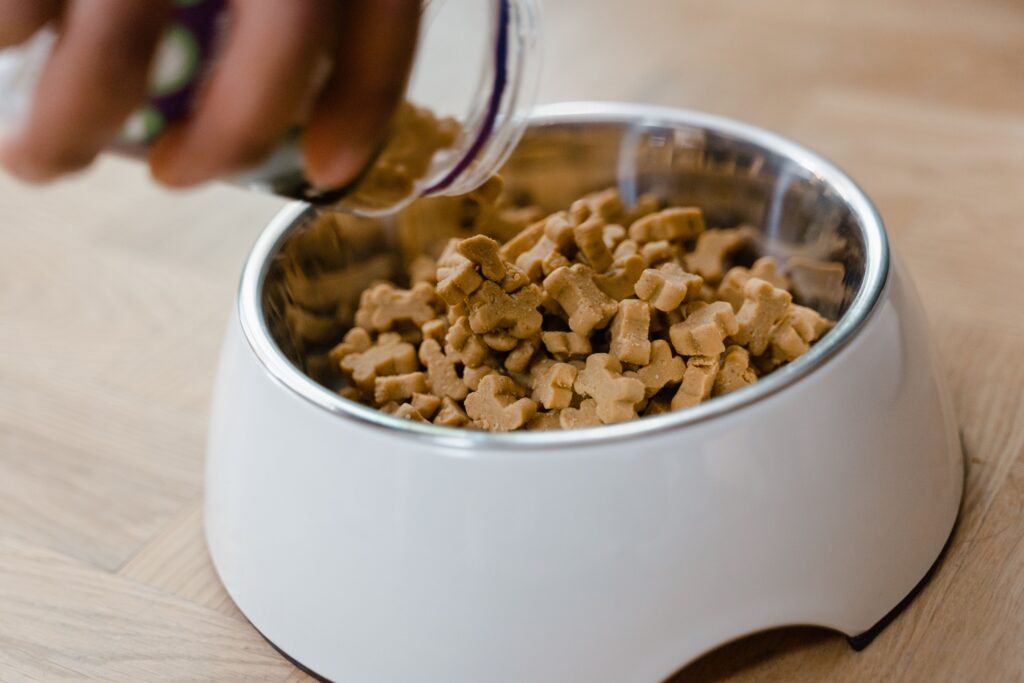
This is where most articles stop at “add a probiotic and see what happens.” That’s not a plan. Here’s what a thoughtful gut-focused approach actually involves.
Step 1: Improve the diet foundation.
A gut microbiome is shaped primarily by what you feed it. Ultra-processed foods, artificial preservatives, and low-quality protein sources are not conducive to a healthy and diverse microbiome. High-quality whole food diets, whether commercial or home-prepared under veterinary guidance, provide the substrates beneficial bacteria need to thrive. This doesn’t mean raw is always better or that grain-free is always appropriate, those are complex and often misrepresented conversations. It means the foundation matters.
Step 2: Add targeted probiotic support.
Not all probiotics are equivalent. Look for multi-strain formulas that include Lactobacillus and Bifidobacterium species with colony-forming units in the billions (not millions). Strain-specific research matters: Lactobacillus rhamnosus, Lactobacillus acidophilus, and Bifidobacterium animalis have the most evidence for benefit in dogs. A product that lists “contains beneficial cultures” without strain names and CFU counts is not providing enough information to evaluate.
Step 3: Add prebiotic fiber.
Probiotics need fuel. Prebiotic fibers (found in foods like pumpkin, chicory root, and inulin) feed beneficial bacteria and support their colonization. Most probiotic-only products are more effective when combined with adequate prebiotic intake.
Step 4: Consider omega-3 supplementation.
EPA and DHA omega-3 fatty acids have well-established anti-inflammatory properties and support the skin barrier directly. Fish oil at appropriate doses (ask your vet for breed and weight-specific dosing) is one of the most research-supported supplements for dogs with atopic and inflammatory skin conditions.
Step 5: Address the cause of the dysbiosis, not just the symptoms.
Was there a recent antibiotic course? Has the diet changed significantly? Is there a food allergy driving chronic gut inflammation? These upstream causes need to be identified and addressed alongside the supportive interventions.
Mistakes That Keep the Symptoms Coming Back
Don’t add a probiotic from the grocery store human aisle. Human probiotic strains are not the same as canine-appropriate strains, and dosing is completely different. Use a product formulated specifically for dogs with published strain information and CFU count.
Don’t do an elimination diet trial halfway. Eight to twelve weeks of strict novel protein, no treats, no table food, no flavored supplements. One shortcut, one chicken-flavored pill pocket, and the trial is compromised. It’s a significant commitment and it’s also the most useful diagnostic tool you have.
Don’t treat the ear infection and stop there if this is the third one. Recurring ear infections in a dog who also has other skin or GI signs are telling you something about the whole system. Ask for the broader conversation.
Don’t buy into supplement marketing that promises gut health benefits without published evidence. The pet supplement industry is minimally regulated. “Contains probiotics for gut health” on a treat bag is not the same as a veterinary-grade multi-strain probiotic with documented CFU counts.
Don’t skip the vet conversation. Gut dysbiosis as a driver of skin conditions is an increasingly mainstream veterinary topic, but management still needs to be tailored to your specific dog. An integrative or functional medicine vet may have more specific experience with this approach.
What Costs to Expect
- Elimination diet trial with novel protein prescription food: $60-$150/month for 8-12 weeks
- Commercial probiotic (veterinary grade): $25-$60/month
- Fish oil supplementation: $15-$40/month
- Initial vet consultation for gut-skin workup: $75-$150
- Blood allergy testing: $200-$500
- Microbiome testing (if used): $90-$200
A realistic 3 month gut-focused intervention: $500-$1,000 including food, supplements, and vet oversight. This sounds significant until you compare it to the accumulated cost of repeated ear infection treatments, topical medications, and vet visits for the same recurring symptoms over 2-3 years.
Four Years of Treating the Surface
A friend’s Golden Retriever had been dealing with recurring ear infections for four years. Every spring, every fall, sometimes in between. Ear drops, antibiotics, short-term resolution, then back again.
At year four, a new vet suggested an elimination diet trial and a conversation about gut health. Eight weeks on a hydrolyzed protein diet, a probiotic with documented strain information, and fish oil. By week 6, the ear situation was the clearest it had been in years. At the 3 month recheck, the vet noted the first genuinely clean ears this dog had had in recent memory.
Nothing about this was miraculous. The infection always cleared with treatment. But the gap between infections went from 2-3 months to over a year, and then longer. The underlying immune dysregulation was finally being addressed rather than just managed.
Four years of treating the symptom. One conversation that changed the framing.
What the Pet Wellness Industry Gets Wrong Here
I want to be direct about something I think the pet wellness space handles badly. The gut-skin connection is real and increasingly well-supported. It is also used to sell a lot of supplement products that have no meaningful evidence behind them.
My honest view: start with diet quality, add a vetted probiotic with documented strains, and include omega-3s. These are the interventions with the most support and the least risk. Beyond that, work with your vet. Spending $200 on a “gut health supplement bundle” from an Instagram ad is not the same thing as a structured dietary intervention guided by a vet who can evaluate your specific dog’s pattern.
The science is real. Some of the products marketed around it are not.
Frequently Asked Questions
-
How do I know if my dog is having a gut problem?
If treating the skin symptom alone has not produced lasting results, gut health is worth investigating. Recurring ear infections, paw licking, and dull coat together are a strong signal.
-
How long does a gut-focused approach take to show results?
Meaningful changes in skin and coat often take 6-12 weeks. An elimination diet trial requires the full 8-12 weeks to be valid. This is a slow approach, which is exactly why it is often abandoned too early.
-
My vet has not mentioned gut health. Should I bring it up?
Yes. Frame it as a question: could gut health be contributing to the recurring ear infections? Most vets will engage constructively with this framing.
-
Can I just add yogurt for probiotics?
Yogurt contains live cultures, but the strains and doses are not standardized for dogs, and many dogs are lactose intolerant. A veterinary-grade probiotic with documented strains and CFU counts is a more reliable option.
-
Is this connected to food allergies?
Often yes. Food allergies and gut dysbiosis are frequently co-occurring rather than separate conditions. A compromised gut barrier allows food proteins to enter the bloodstream in a way that triggers immune sensitization, which can then look like a food allergy. Addressing the gut can sometimes reduce food sensitivity responses over time, though established food allergies still typically require an elimination diet to manage.
If you take one thing from this post on how to improve dog gut health, let it be this: the symptoms on the surface are rarely the whole story.
Chronic symptoms that keep coming back are trying to tell you something about root cause, not just surface condition. If your dog’s ear infections, paw licking, and coat quality haven’t meaningfully improved despite consistent treatment, you’ve been addressing the output, not the input.
The gut-skin connection gives you a different place to look. Not instead of everything you’ve been doing. Alongside it, and deeper.
This article is for informational purposes and is not a substitute for veterinary advice. For dogs with chronic skin, ear, or GI concerns, please consult your veterinarian before starting any new supplement or dietary protocol.

1 Comment