

 By
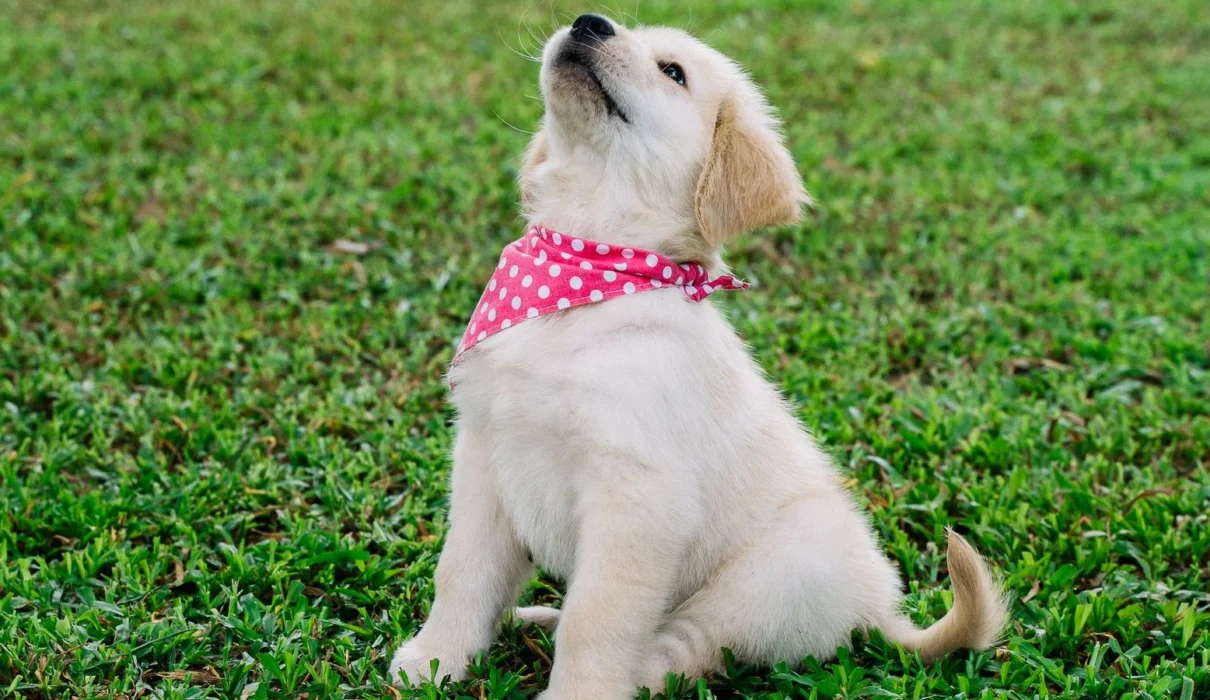
Here’s how to teach a puppy to sit: hold a tiny treat at your puppy’s nose, move it slowly up and back over their head, and the moment their bottom touches the floor, say “yes” and hand over the treat. After a handful of repeats, VCA’s veterinary behaviorists suggest switching to an empty hand, and once the sit is predictable you add the word “sit.”
That’s the whole method in two sentences. Below are the 6 steps in detail, two other ways to teach it, how to fade the treats, the mistakes that slow puppies down, and how to use sit every day so it sticks.

Table of Contents
- When Can You Start Teaching a Puppy to Sit?
- What You Need
- How to Teach a Puppy to Sit in 6 Steps
- Two Other Ways to Teach Sit
- Make the Sit Stick
- Use Sit Every Day
- Common Mistakes When Teaching Sit
- What If Your Puppy Won’t Sit?
- What to Teach After Sit
- How to Teach a Puppy to Sit: FAQ
- How to Teach a Puppy to Sit: The Short Version
When Can You Start Teaching a Puppy to Sit?
Right away. VCA’s behaviorists say training starts the day your puppy comes home, which is often at 7 or 8 weeks (here’s when puppies can leave their mom). Keep early sessions to no more than a few minutes, a few times a day. VCA suggests training just before a meal, when your puppy is hungriest and treats mean the most. Our 8 week puppy schedule shows where short sessions fit around naps and potty breaks.
What You Need
- Tiny treats. VCA says lure treats should be about the size of a pencil eraser. Soft treats your puppy can eat in one bite work best, or use part of their regular meal.
- A marker. A clicker or a short word like “yes” tells your puppy the exact moment they got it right. VCA lists clickers, short words, a whistle or even a thumbs up as markers.
- A quiet room. The AKC says to start when your puppy is relaxed and there are no distractions.
Treats add calories, so VCA suggests using part of your puppy’s daily food as rewards. Our puppy feeding chart shows how much your puppy needs each day.
How to Teach a Puppy to Sit in 6 Steps
This is the lure and reward method that both the AKC and VCA’s guide to sit, down, stand and stay describe.
Step 1: Show the Treat
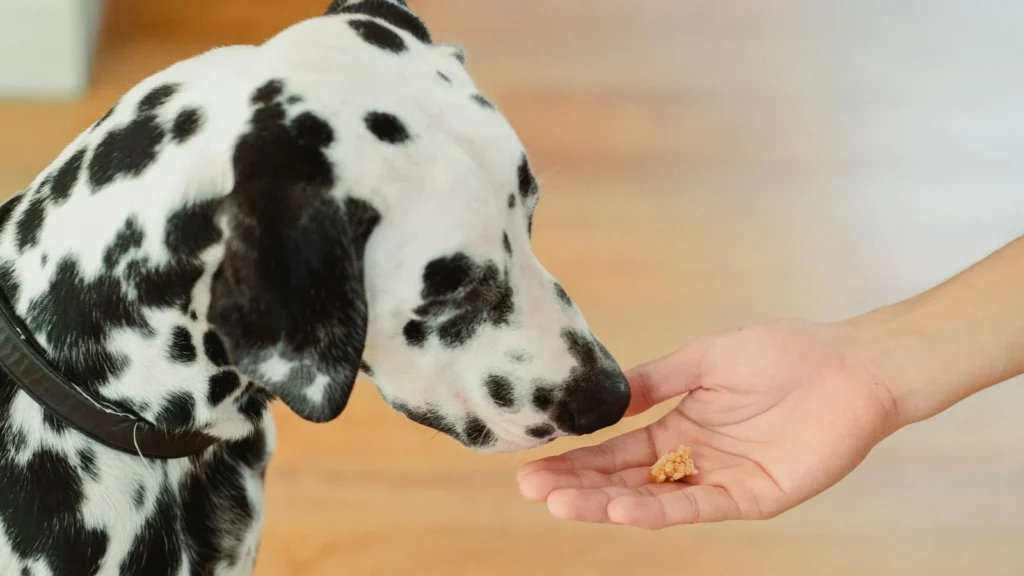
With your puppy standing in front of you, hold a treat right at their nose so they can smell it. VCA suggests holding several tiny treats in your hand so you can reward quickly.
Step 2: Lure Up and Back
Slowly move the treat up over your puppy’s nose and slightly back toward their tail. As the nose goes up, VCA says the puppy will almost certainly sit to keep their balance. Move slowly, and keep the treat close to the nose so your puppy follows it instead of jumping for it.
Step 3: Mark and Reward While They’re Sitting
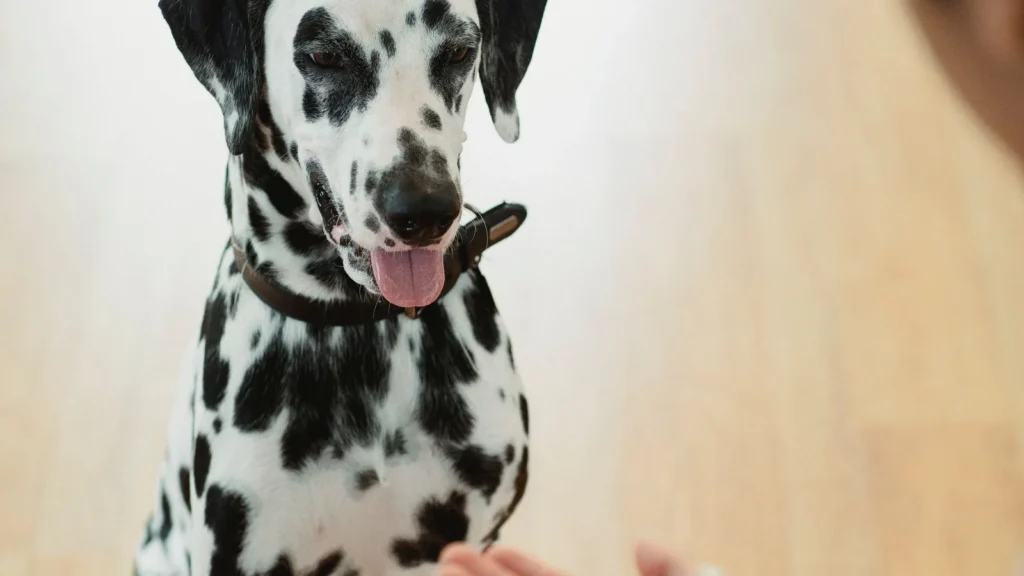
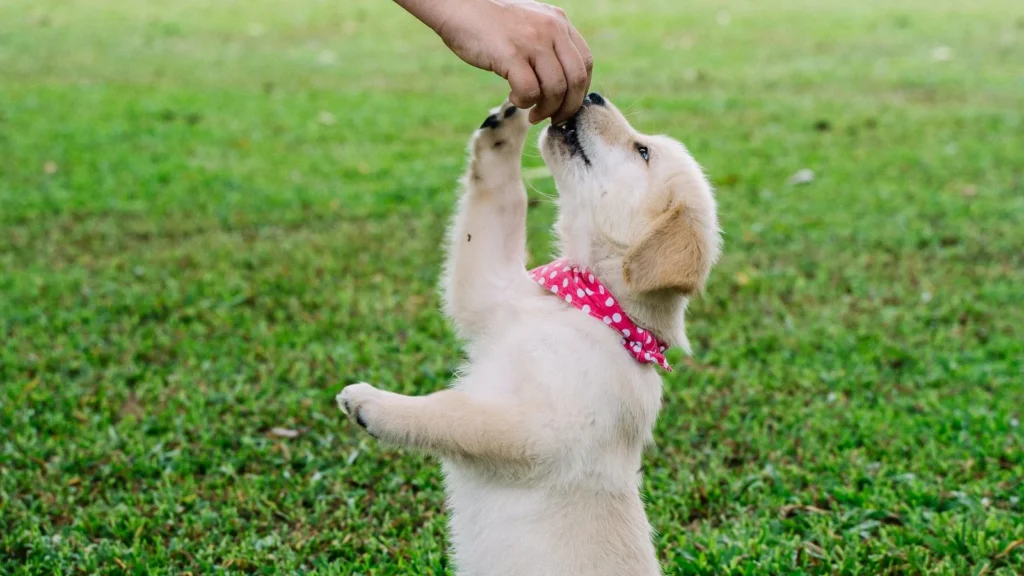
The instant your puppy’s bottom touches the floor, say “yes” (or click) and give the treat. Timing matters: the AKC warns that handing over the treat after your puppy stands up teaches them to pop out of the sit.
Step 4: Reset and Repeat
Get your puppy standing again by stepping away and calling them, or by tossing a treat a few feet away, the AKC suggests. Then repeat steps 1 to 3. A few repeats per session is plenty for a young puppy.
Step 5: Fade the Lure
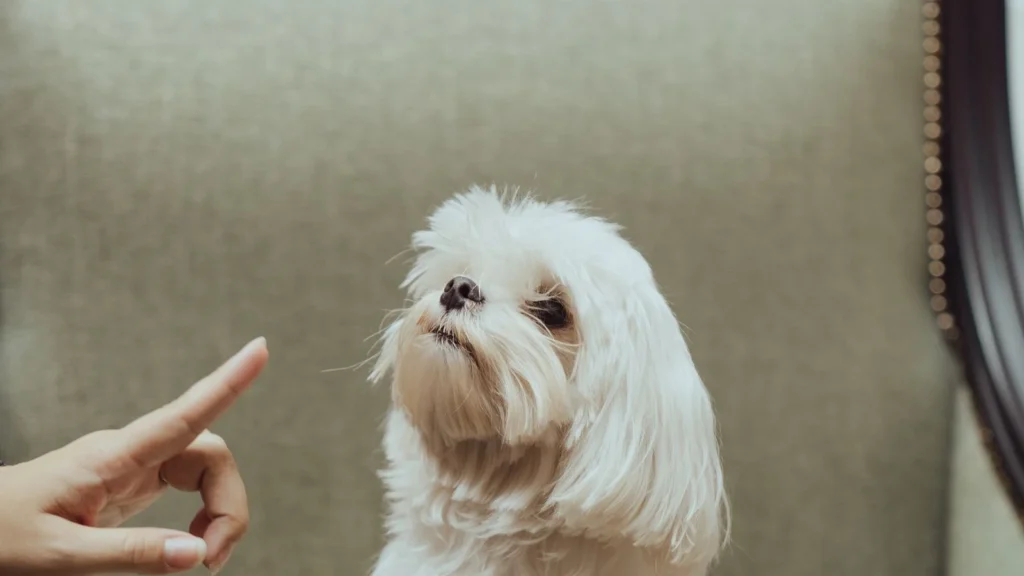
Once your puppy follows the treat into a sit every time, do the same hand movement with an empty hand and reward from your other hand. VCA’s behaviorists say to make this switch within 5 to 10 repetitions, so your puppy doesn’t learn to sit only when they see food. The AKC notes that your hand movement becomes the hand signal for sit.
Step 6: Add the Word
Only once you can predict the sit with near certainty, start saying “sit” just as your puppy’s bottom heads toward the floor, VCA says. The AKC suggests saying the cue just before the hand signal. Over time, your puppy will sit for the word alone.
Two Other Ways to Teach Sit
Capturing
Wait for your puppy to sit on their own, then mark and reward right away. Both the AKC and VCA describe this method. Once your puppy starts offering sits to earn treats, add the word “sit” just before they do it. Capturing is slower at first but works well for puppies who get overexcited around food in your hand.
Luring From a Down
If your puppy lies down instead of sitting, the AKC suggests starting from the down: reward a head lift, then a chest lift, raising the treat a little higher each time until your puppy pushes up into a sit.
Make the Sit Stick
- Thin out the treats. Once your puppy sits on cue every time, VCA suggests rewarding every other sit, then every third or fourth, with praise in between. VCA also says to keep rewarding throughout your dog’s life.
- Change rooms. Practice in different rooms, then outside, then with mild distractions, VCA advises. Use a leash and harness outdoors for safety.
- Reward sits you didn’t ask for. The AKC suggests rewarding sits your puppy offers on their own, like when they sit while you fill their bowl. Over time, sitting becomes their way of asking for things.
Use Sit Every Day
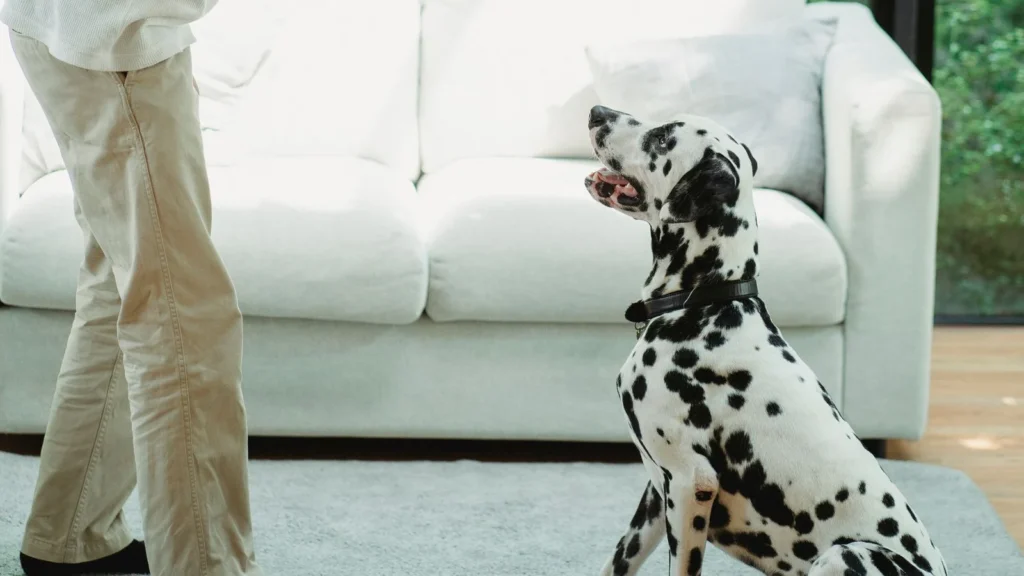
VCA’s veterinary behaviorists call this learn to earn: your puppy learns that a calm behavior, like sitting, gets them what they want. Ask for a sit before you open the door, and when visitors arrive, have treats ready so your puppy gets rewarded for sitting before they start to jump. VCA notes that predictability reduces frustration for people and dogs.
A sit is also a handy alternative when your puppy gets mouthy. Our guide on how to get a puppy to stop biting shows how to redirect, and our puppy crate training schedule pairs well with short training sessions between naps.
Want a printed daily routine on the fridge? The Print & Go Pack includes a Fridge Schedule:
Common Mistakes When Teaching Sit
- Pushing on your puppy’s bottom. The AKC says this can be intimidating and confusing.
- Treating after they stand. This teaches your puppy to pop up out of the sit (AKC).
- Luring them back up by accident while you dig for a treat (AKC). Keep treats ready in your hand.
- Repeating “sit, sit, sit.” VCA says to give the cue once, in a pleasant tone, and wait. Repeating it can frustrate or frighten a puppy.
- Asking when your puppy is excited or distracted. VCA advises waiting for a calmer moment.
- Long sessions. A few minutes at a time is enough for a young puppy (VCA).
- Punishment. VCA says punishment can lead to avoidance, fear and confusion, and the American Veterinary Society of Animal Behavior recommends reward based training only.
What If Your Puppy Won’t Sit?
- They jump for the treat: keep it closer to their nose and move more slowly.
- They back up instead: the treat is probably moving too far back. Move it up more than back.
- They don’t respond to the word yet: VCA says to wait patiently, then quietly lure the sit, reward it, practice a few more times, and try the word again later.
- They lose interest: end on a success and try again before the next meal. VCA notes that if rewards come too rarely, a dog may lose interest or give up.
What to Teach After Sit
Sit is usually the first cue puppies learn, and the same lure, mark and reward steps work for down, stand and stay. VCA’s guide covers all four. Meanwhile, keep socializing: our puppy socialization plan lists what to expose your puppy to week by week, and our new puppy checklist covers training treats and other gear. When sit is solid, how to train a dog to come is a great next cue to teach. After that, our guide on how to train a dog to stay builds the stay step by step.
How to Teach a Puppy to Sit: FAQ
-
How do you train your puppy to sit?
Hold a tiny treat at your puppy’s nose and move it slowly up and back over their head. When their bottom touches the floor, say yes and give the treat. After 5 to 10 repetitions, VCA suggests switching to an empty hand, and once the sit is predictable you add the word sit.
-
What age can a puppy learn to sit?
As soon as they come home. VCA’s veterinary behaviorists say training starts the first day, which is often at 7 or 8 weeks. Keep sessions to a few minutes at a time.
-
How long should puppy training sessions be?
Keep early sessions to no more than a few minutes, a few times a day, according to VCA. Training just before a meal helps, because your puppy is hungrier and more interested in treats.
-
Should you push a puppy’s bottom down to make them sit?
No. The AKC says pushing on a puppy’s hind end can be intimidating and confusing. Lure the sit with a treat instead, or capture sits your puppy offers on their own.
-
When can you stop using treats for sit?
Fade them gradually. Once your puppy sits on cue every time, VCA suggests rewarding every other sit, then every third or fourth, with praise in between. VCA also recommends keeping some rewards going throughout your dog’s life.
-
What if a puppy won’t sit?
Check your lure first: keep the treat close to the nose and move it slowly up rather than far back. If your puppy doesn’t respond to the word, VCA says to lure the sit quietly, reward it, practice a few times, and add the word again later.
-
Do you need a clicker to teach sit?
No. A clicker helps mark the exact moment your puppy sits, but the AKC says praise works as a marker too, and VCA lists short words like yes or good as markers.
How to Teach a Puppy to Sit: The Short Version
- Treat at the nose, then slowly up and back.
- Mark and reward the instant their bottom lands, while they’re still sitting.
- Switch to an empty hand within 5 to 10 repeats.
- Add the word sit once the sit is predictable, and say it once.
- Keep sessions to a few minutes, before meals.
- Never push or punish. Ask for a sit at doors and greetings every day.
Over to you: how many tries did it take your puppy to sit for the first time? Tell us in the comments.
